Looks like you're located outside the continental United States!
While we can't ship Royal NY Line Up boxes to you through our website, our team of coffee traders will be happy to help place your order and secure the best shipping rates for you.
Please note that if you have other items in your cart such as tea or tickets to an event at The lab, you will not be able to proceed to payment until all 22lb. boxes have been removed from your order
Looks like you're located outside the continental United States!
While we can't ship Royal NY Line Up boxes to you through our website, your coffee trader will be happy to help place your order and secure the best shipping rates for you.
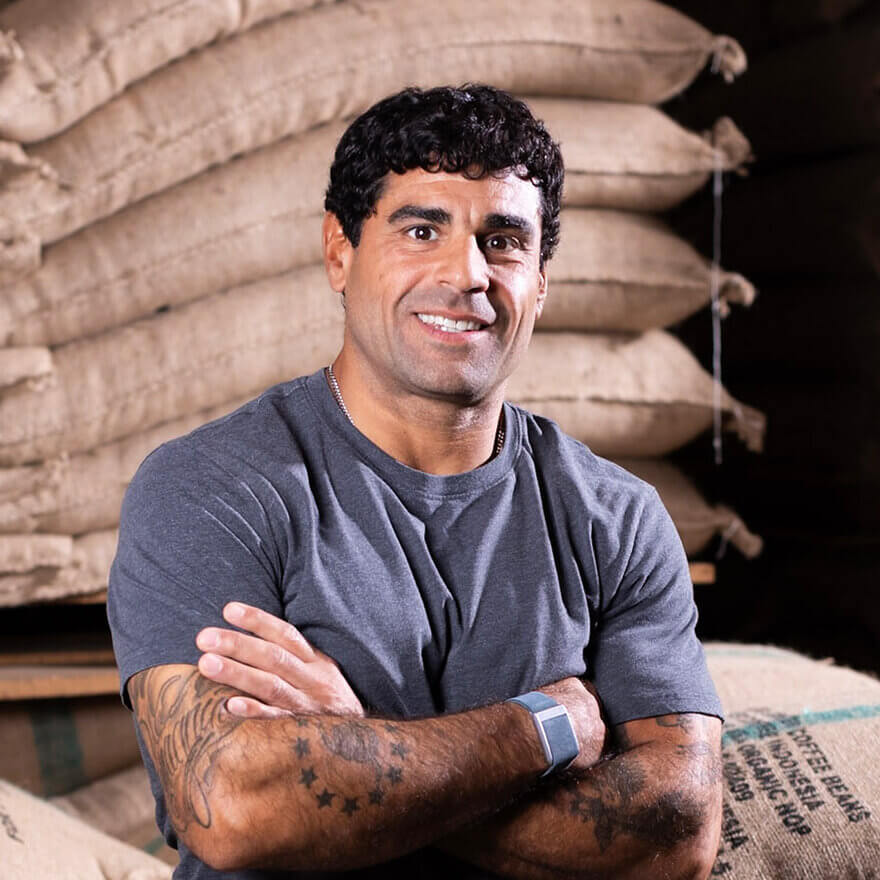
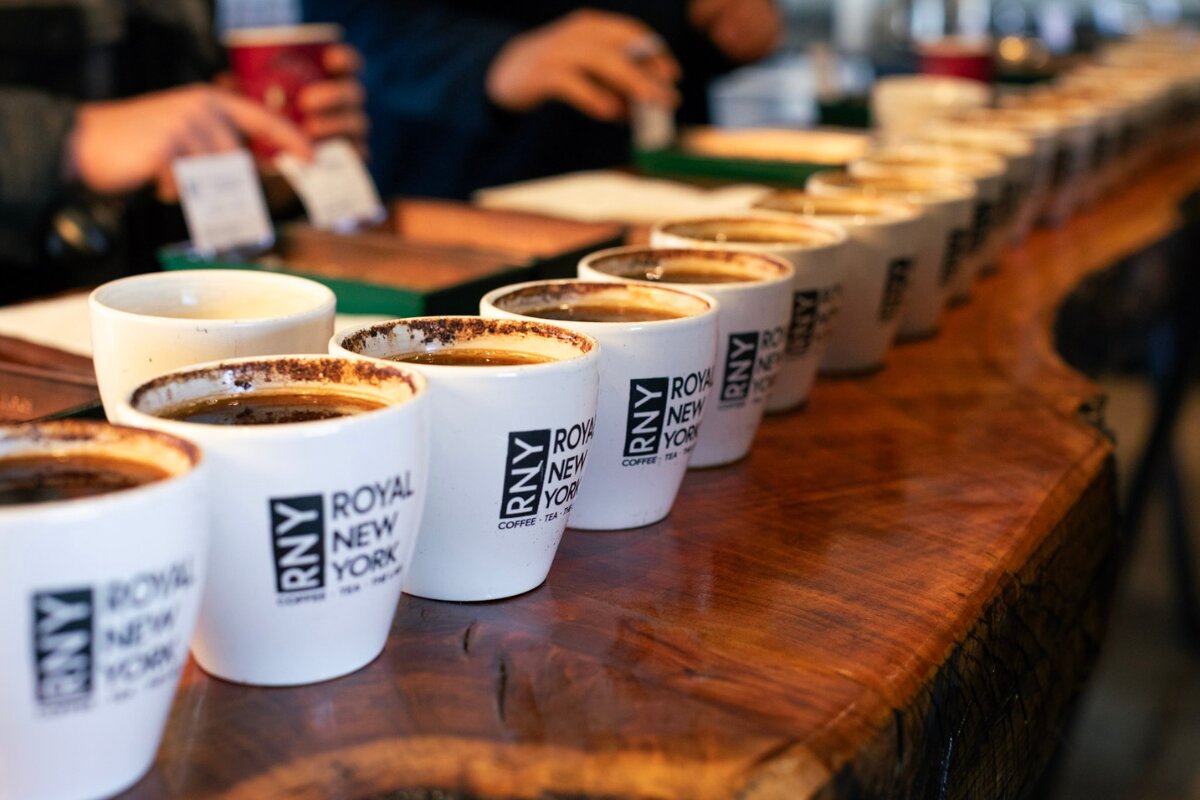
Do you cup your roasts? Are you tasting your coffees on a regular basis? The more time you spend tasting, the better you understand what’s happening in the cup and how your roasting decisions shape the final result. Explore with Mike Romagnino why coffee cupping is such an important part of a roaster’s routine, from evaluating roast profiles and building your palate to maintaining consistency and staying connected to your coffee.
Why every roaster should cup their coffee:
1. Understand if your roast worked
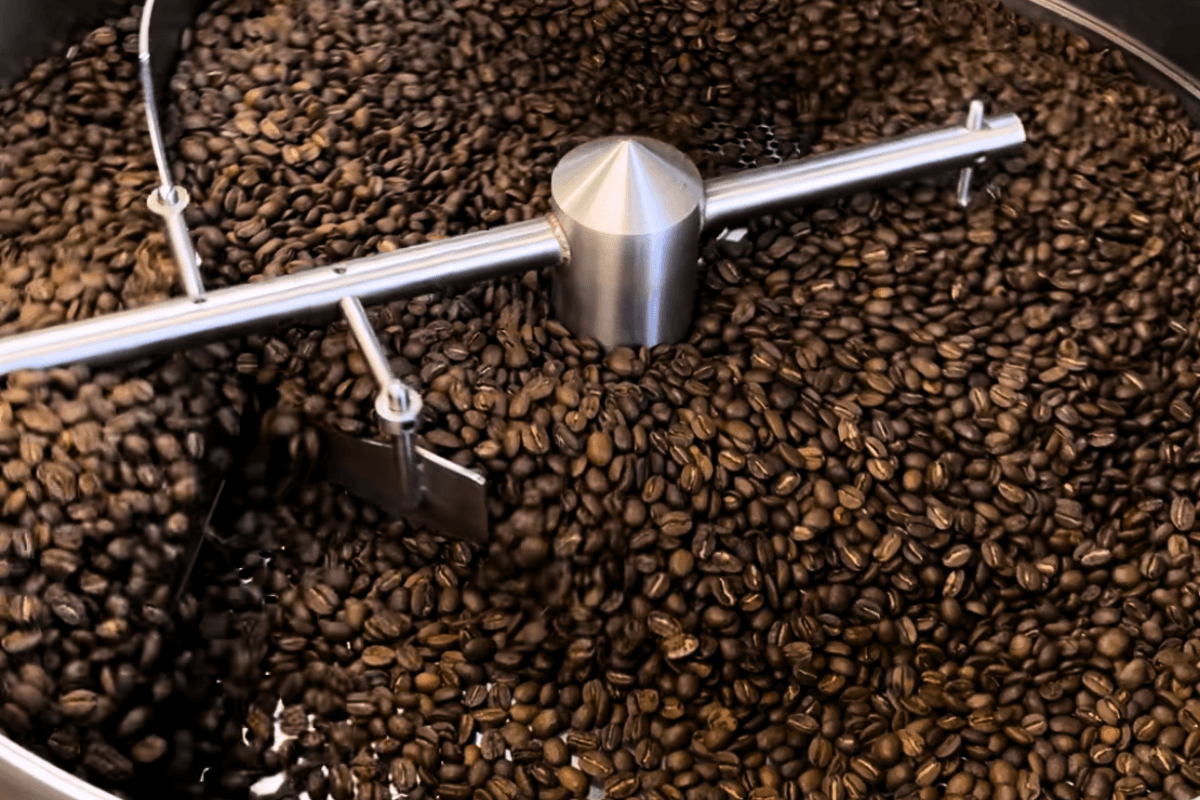
Cupping your coffee is the only way to know if our roast worked. You can dial in roast curves all day long, but if the coffee tastes sour, hollow, or bitter, the roast profile needs to be adjusted. Cupping allows you to examine the roast and flavor profile.
Too sour? You may have underdeveloped it.
Dull or flat? Possibly baked.
Bitter or ashy? Likely overdeveloped.
2. Develop your palate
Learn to identify acidity, sweetness, and bitterness
Detect subtle notes like florals, spice, citrus, or chocolate
Understand how roast adjustments impact flavor
3. Build consistency
Roasting is part science, part feel. Even with the same green coffee, your results can be dramatically different. Consistency comes from tasting and tracking. Cupping lets you:
Compare roasts side by side
Develop and dial in flavor profiles
Maintain quality control
4. Understand the coffee’s origin
Each coffee has its own origin profile shaped by altitude, soil, variety, and processing method.
Why a washed Ethiopia tastes different than a natural Brazil.
How certain regions express specific flavor traits
What you prefer, shaping the roast profile.
5. Makes you a better communicator
If you’re selling coffee or roasting for others, you need to describe it clearly. Cupping helps you build a shared vocabulary:
“Bright acidity”
“Full-bodied”
“Notes of plum, chocolate, and spice”
Make Cupping Part of your Routine
Don’t overthink it, cupping coffee doesn’t have to be complicated. Whether you roast for a business, a café, or just for fun, making time to taste your coffees regularly can help you understand your roasts, catch inconsistencies, and build confidence over time.
Start simple. A spoon, a scale, a couple cups and your attention are all you need. The more you cup, the more you’ll learn about your coffee and the better you’ll become at making roast decisions.