Looks like you're located outside the continental United States!
While we can't ship Royal NY Line Up boxes to you through our website, our team of coffee traders will be happy to help place your order and secure the best shipping rates for you.
Please note that if you have other items in your cart such as tea or tickets to an event at The lab, you will not be able to proceed to payment until all 22lb. boxes have been removed from your order
Looks like you're located outside the continental United States!
While we can't ship Royal NY Line Up boxes to you through our website, your coffee trader will be happy to help place your order and secure the best shipping rates for you.
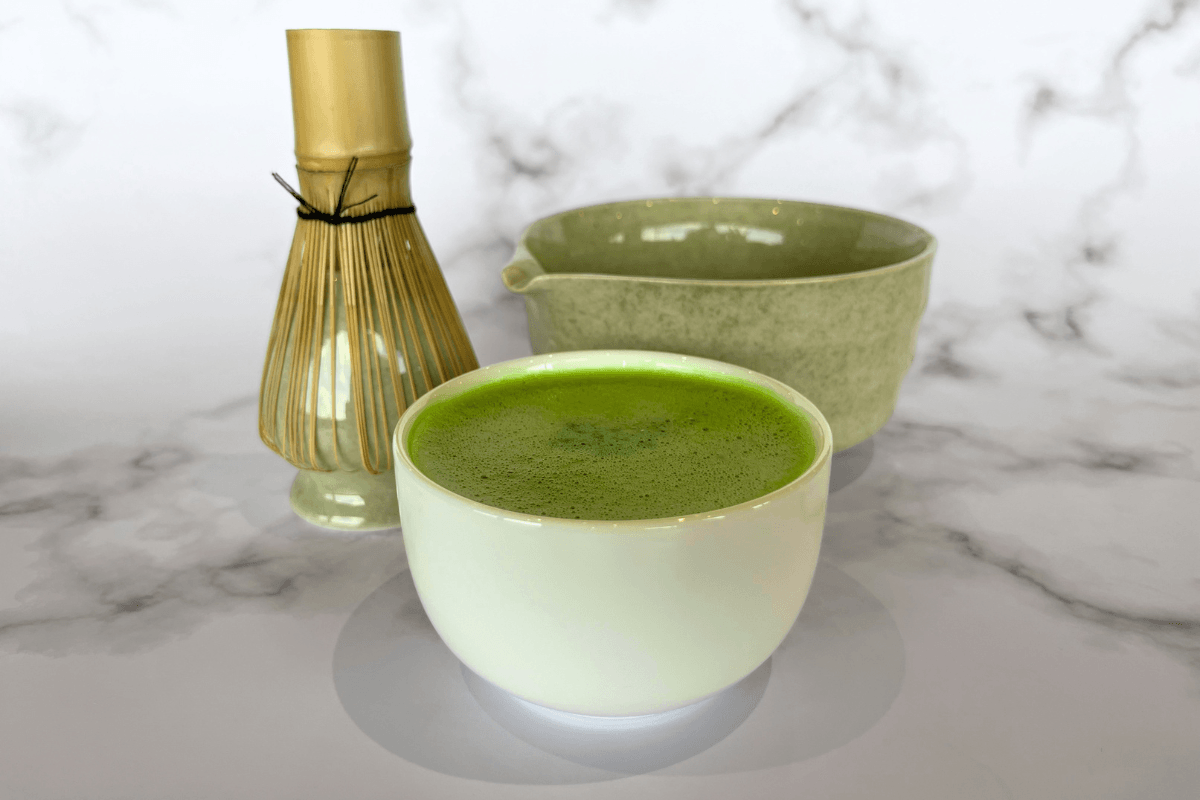
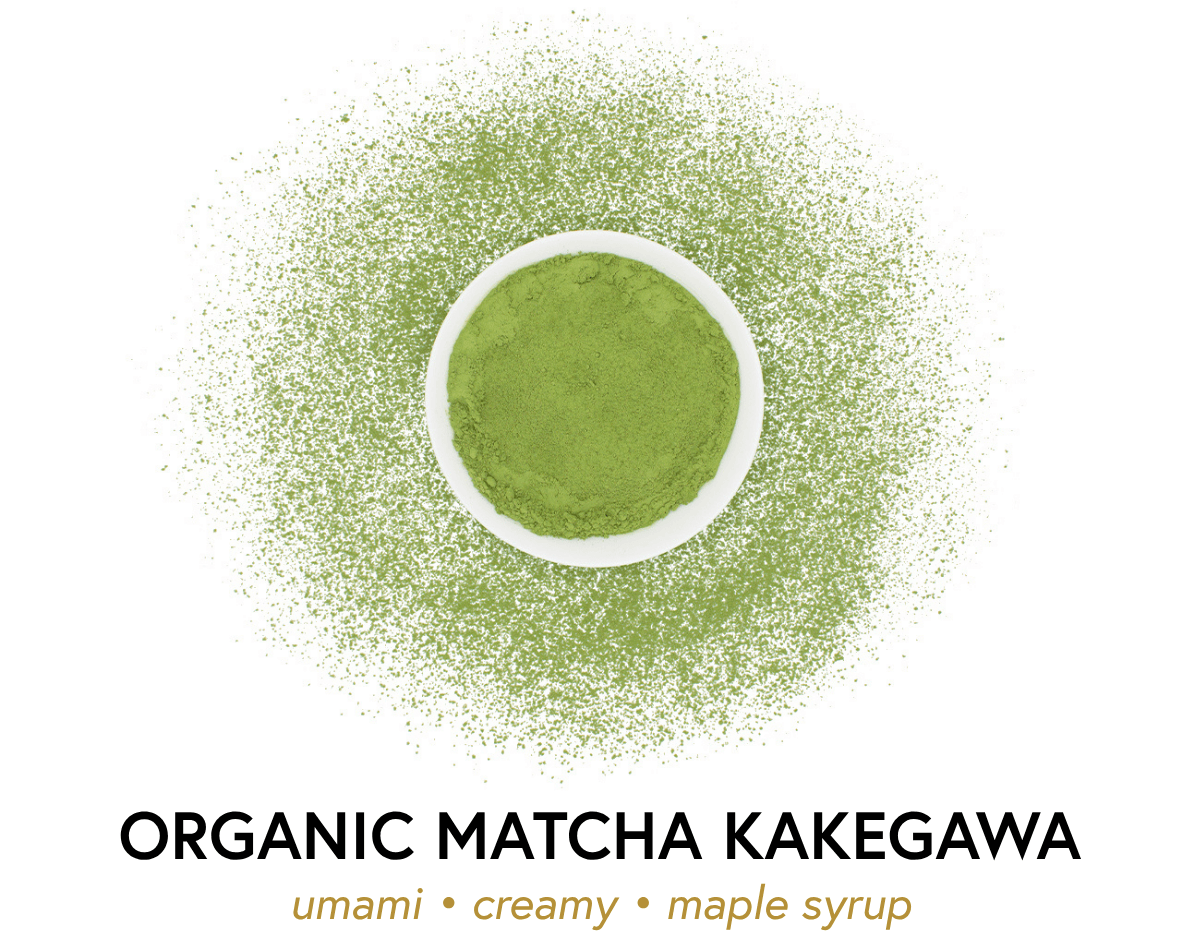
Matcha has taken the US by storm. Most recognize it simply as powdered green tea, but there is much more that goes into how matcha is made than simply harvesting tea leaves and grinding them up.
Matcha Starts with Camellia Sinensis
Matcha comes from the Camellia sinensis plant, like all other true teas. What makes it different is not the plant itself, but how it is cultivated and processed.
One of the most important steps in production actually occurs before the leaves are harvested.
The Tea Plants Are Shaded
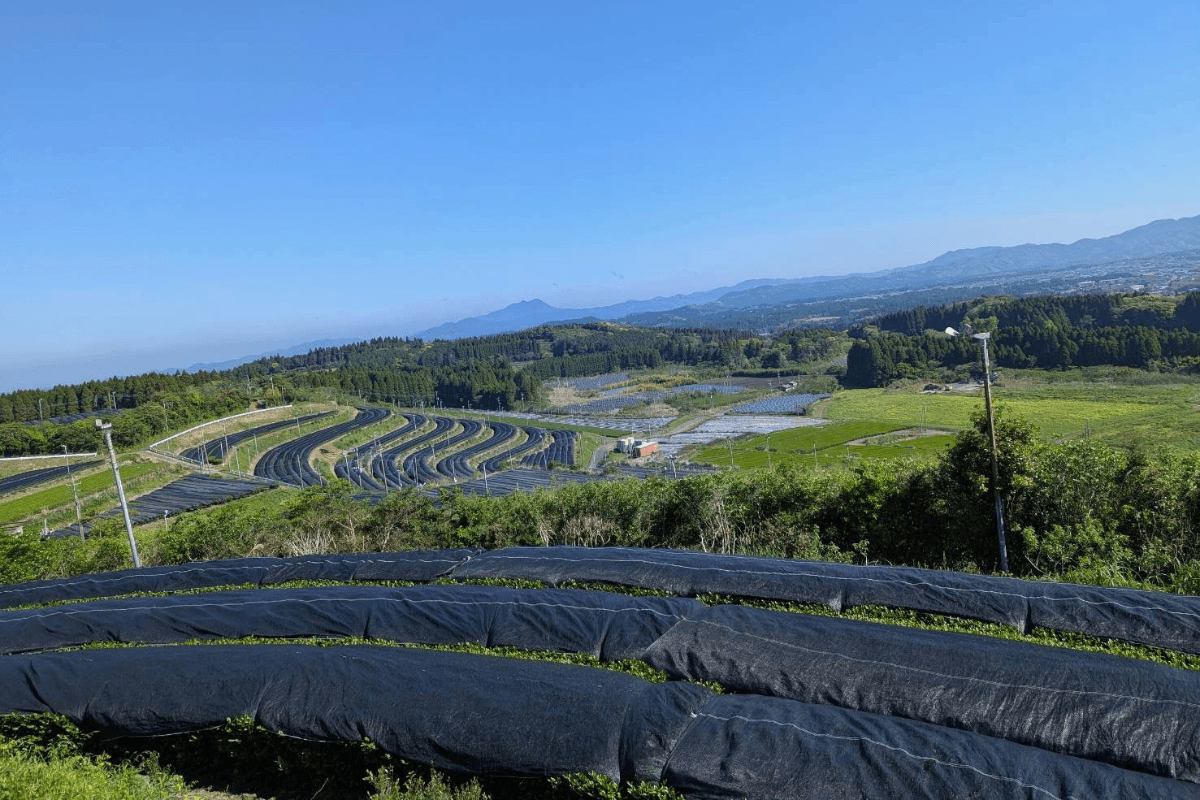
Several weeks before plucking, the plants are covered with cloth or woven straw mats that reduce the amount of sunlight the leaves are exposed to. This encourages more chlorophyll and higher contents of L-theanine, an amino acid associated with matcha’s deep umami flavor.
Shading can last anywhere from 20-30 days, although the exact length of time can depend on the producer, the cultivar used, or other factors.
The Leaves Are Harvested
Once the plants have been sufficiently shaded, harvesting occurs. Most matcha production is associated with first flush tea, or ichibancha, harvests. However, later harvests can also be used depending on objectives like volume, intended application, or flavor consistency.
The more tannic flavors of second-flush tea can also help cut through milk and sweeteners when it comes to matcha lattes.
The Fresh Leaves Are Steamed
To preserve the bright green color of the freshly harvested leaves, steaming occurs almost immediately after harvest. This halts oxidation and helps preserve the color and flavor of the leaves.
The duration of steaming also plays a role in shaping the final product. Following steaming, the leaves are cooled before moving into the drying stage.
The Leaves Are Dried and Sorted
The leaves are dried using large, wind-tunnel-style machines. The dried leaves then go through a careful sorting process in which the stems and veins are removed.
The resulting material is known as tencha.
Tencha Is Ground into Matcha
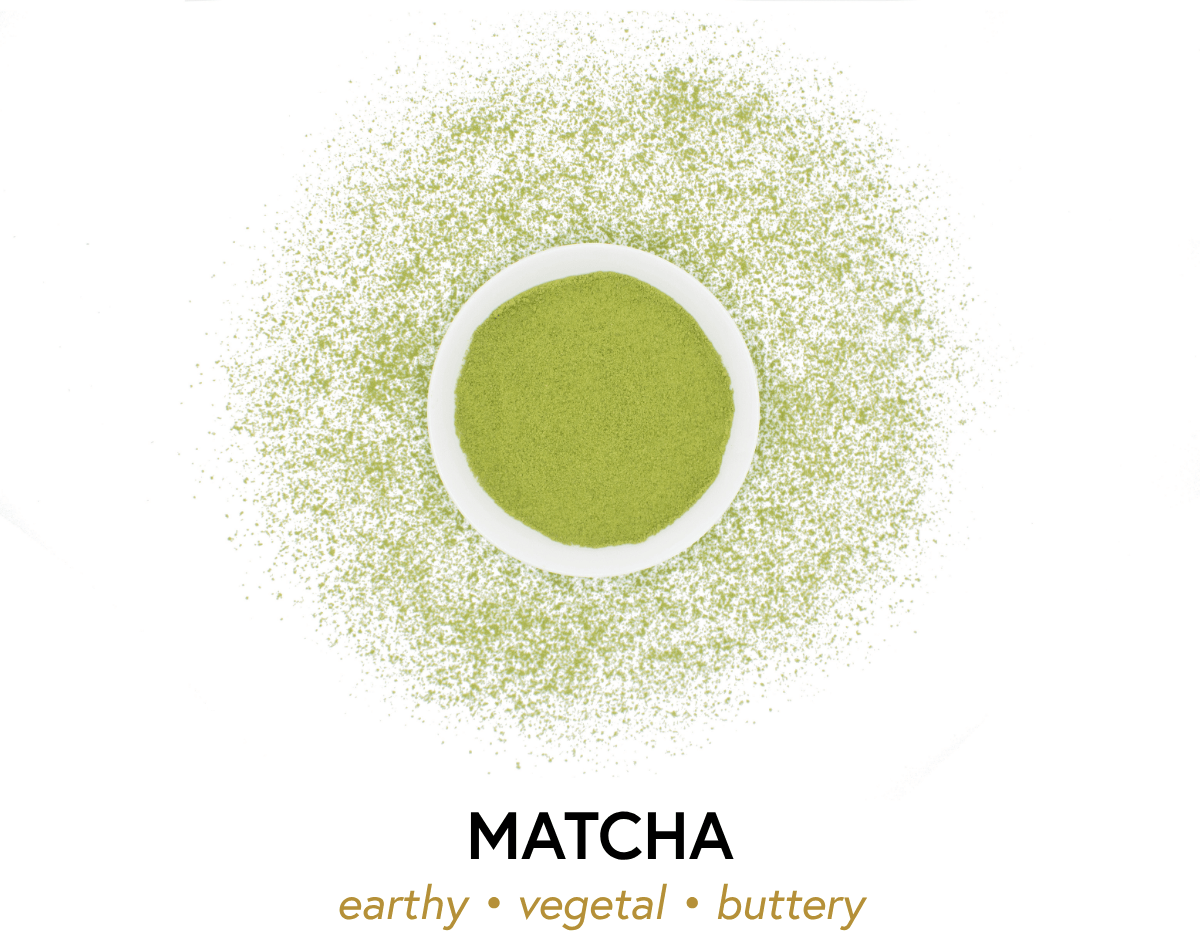
The final step in how matcha is made is grinding the tencha into a fine powder.
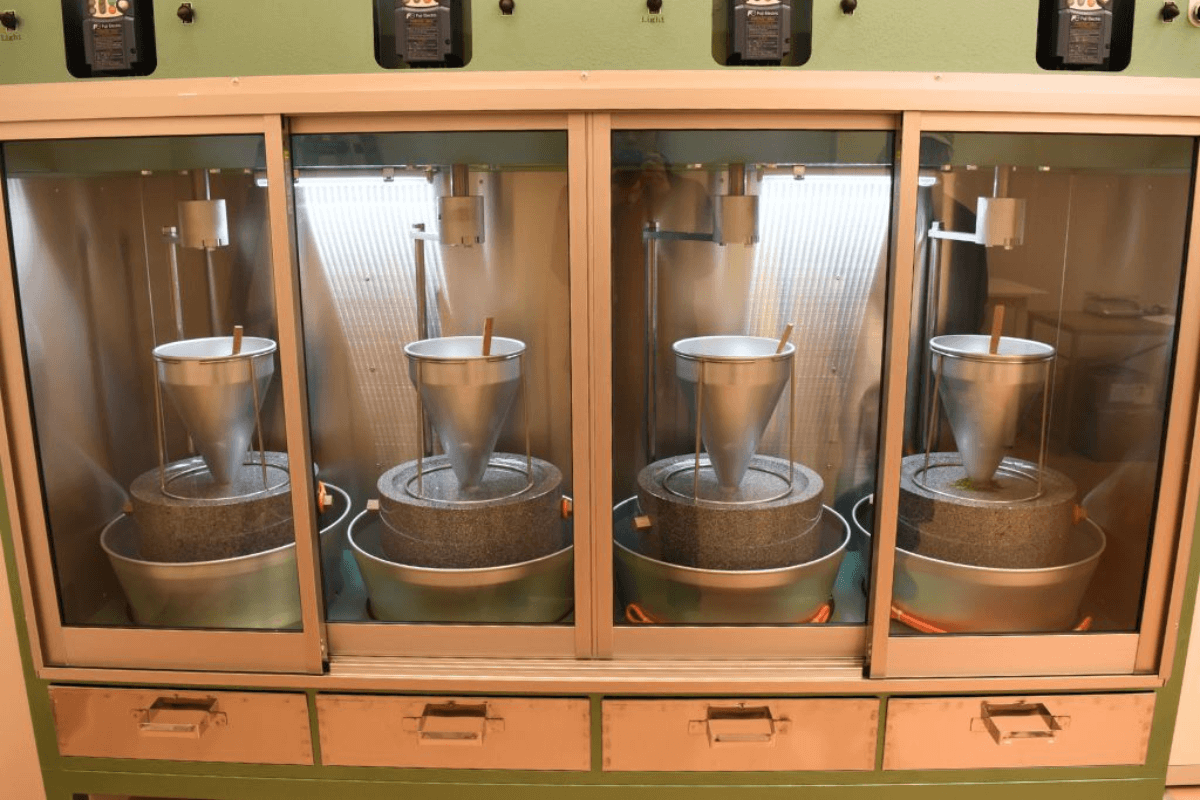
Stone-milling is the traditional method of grinding. These large granite mills produce matcha at a rate of about 40 grams an hour. Because they rotate so slowly, they generate less heat compared to more modern, high-speed methods, helping protect the color and flavor of the tea.
However, stone-milling is labor-intensive and has limited production capacity. With the increasing demand for matcha, producers frequently employ other milling methods.
Other Milling Methods
Bead mills use small ceramic beads to break down the tencha. Cool water flows around the outer layer of the machine to prevent it from overheating.
Jet mills shoot high-pressure air into a chamber to create particles. Both methods have a higher output than traditional stone-milling.
While milling method is a factor to consider when evaluating matcha, it should not be viewed in isolation. Cultivar, growing region, processing, and the skill of the producer all contribute to the characteristics of the final cup.
Why Does Matcha Production Matter?
For tea companies, cafes, and coffee roasters, knowing how matcha is made can provide valuable context when comparing different options. Whether you’re developing a matcha latte, adding matcha to a menu, or sourcing matcha for retail, understanding what happens before the powder reaches your business can help you make a more informed purchasing decision.
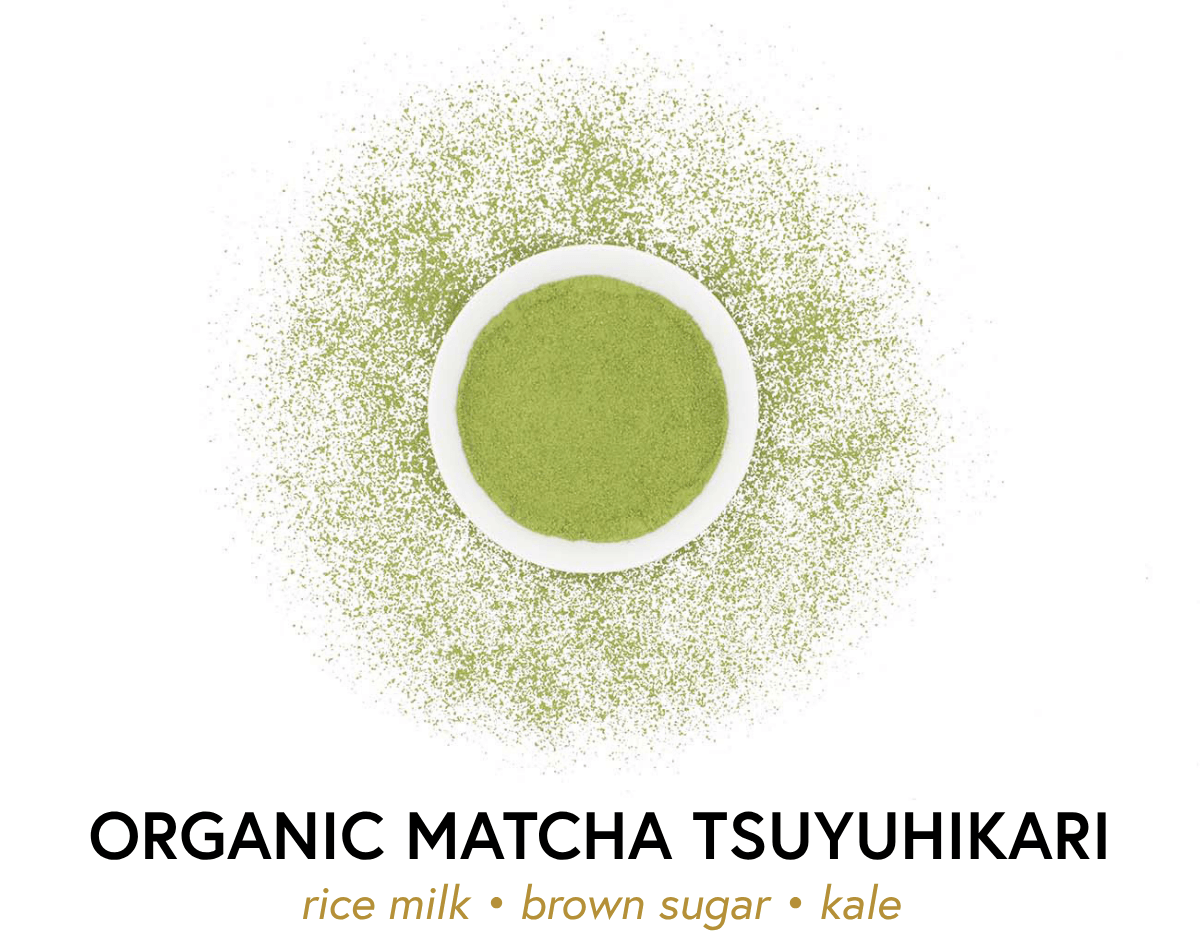
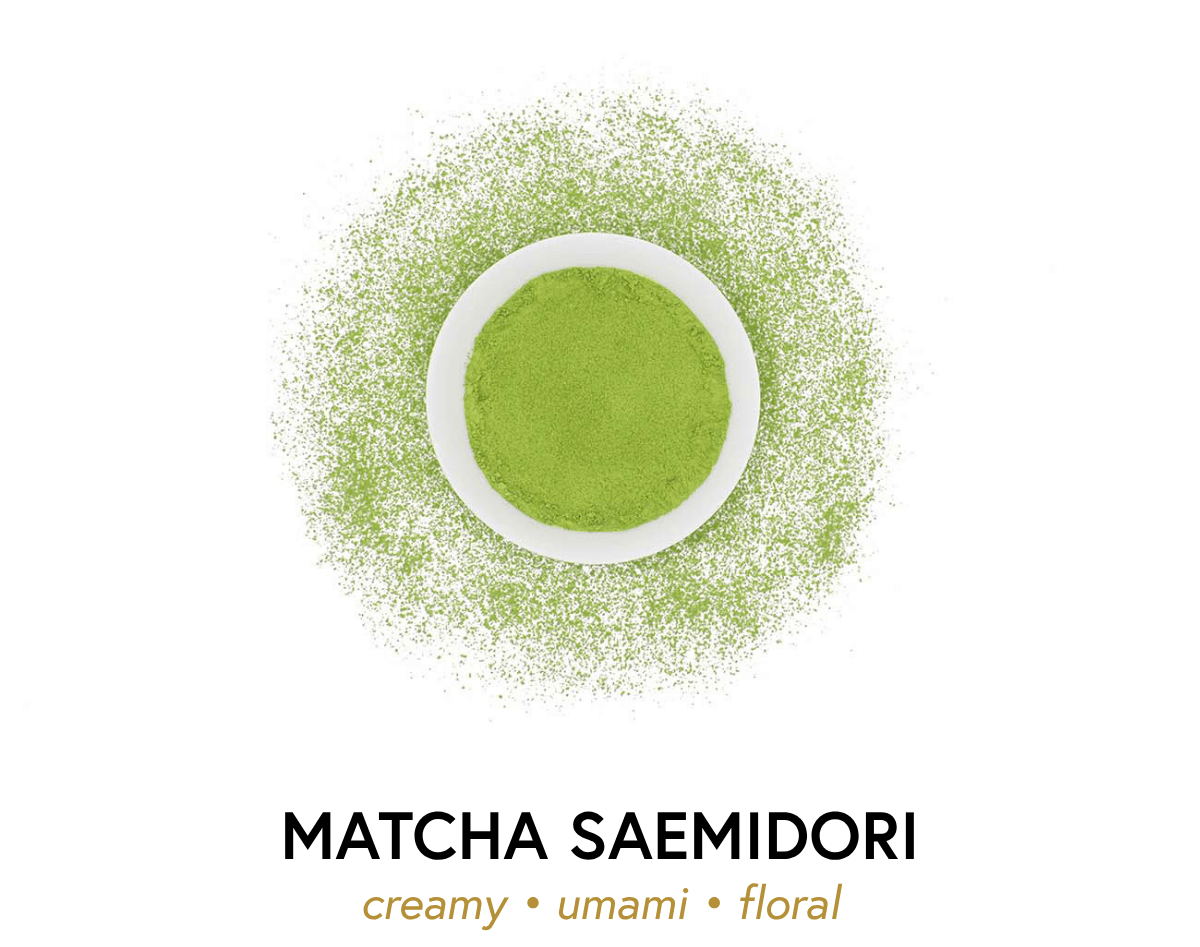
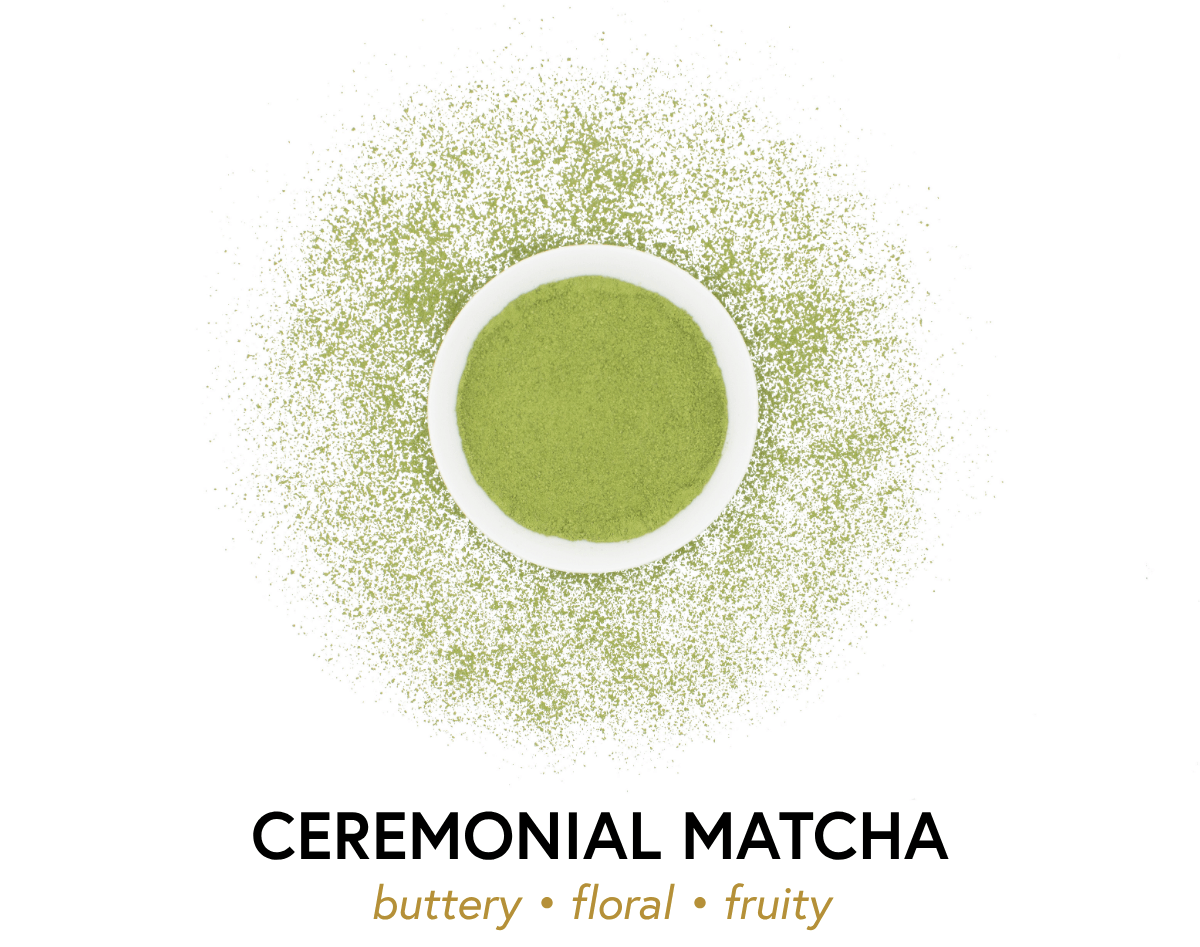
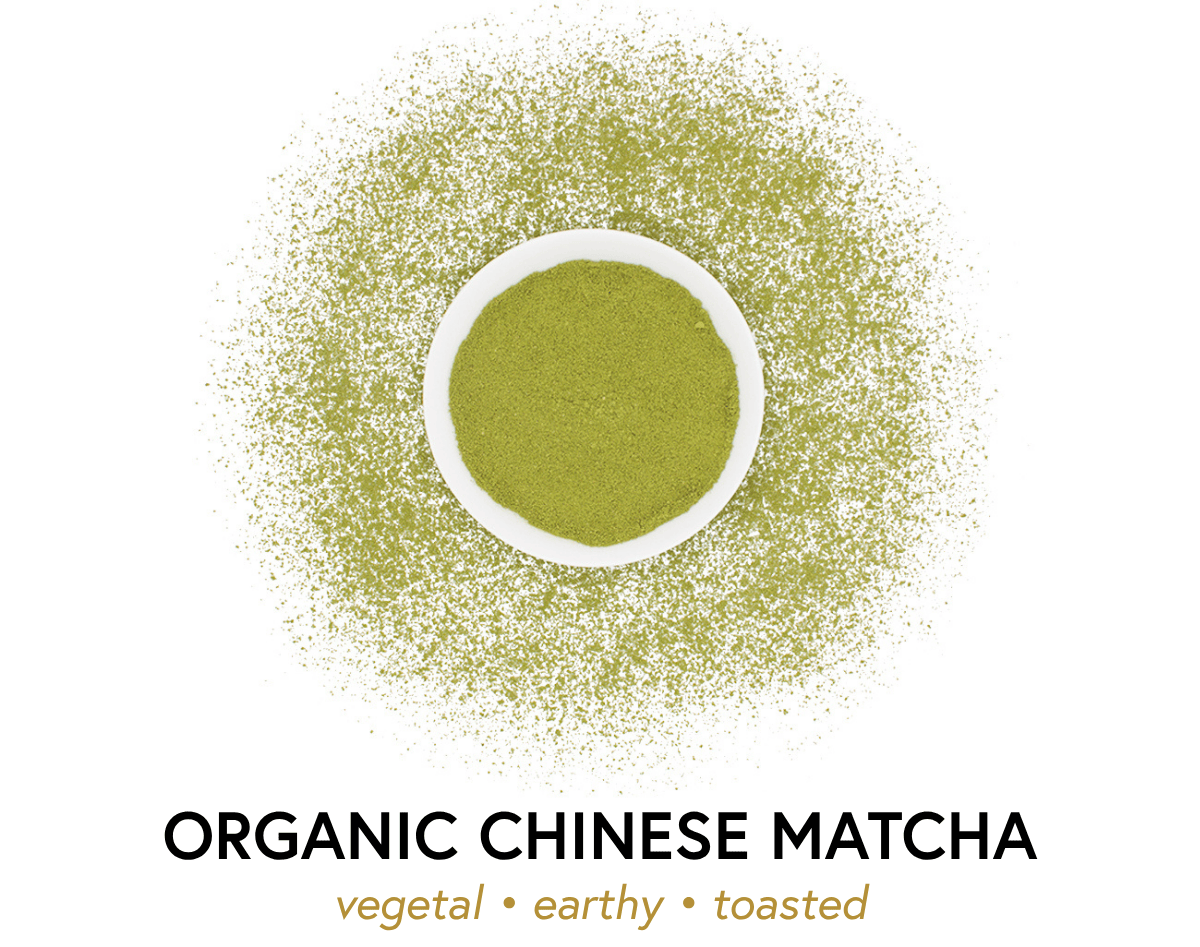
Ready to explore your options? Check out Royal New York’s selection of matcha below!
Looks like you're not logged in! If you have an account, log in here
Don't have an account? Click here to register or close popup window and continue shopping.
You successfully reset your password, please login to your account.
This site uses cookies to allow for proper checkout and order processing; they are not used for any other tracking purposes. By continuing, you accept our use of cookies.