Looks like you're located outside the continental United States!
While we can't ship Royal NY Line Up boxes to you through our website, our team of coffee traders will be happy to help place your order and secure the best shipping rates for you.
Please note that if you have other items in your cart such as tea or tickets to an event at The lab, you will not be able to proceed to payment until all 22lb. boxes have been removed from your order
Looks like you're located outside the continental United States!
While we can't ship Royal NY Line Up boxes to you through our website, your coffee trader will be happy to help place your order and secure the best shipping rates for you.
Third Wave Coffee is a movement that emphasizes the quality, origin, sourcing, roasting, and preparation of coffee. Unlike earlier coffee movements, it treats coffee as an agricultural product whose unique characteristics are shaped by where and how it is grown, processed, roasted, and brewed. Keep reading to learn how this movement changed specialty coffee.
The Coffee “Waves”
Over the past few decades, coffee has evolved from a simple commodity into something much more intentional. This evolution is often described through the idea of the “waves” of coffee. The First Wave focused on making coffee widely available and affordable, while the Second Wave introduced café culture, espresso-based drinks, and coffee as an experience.
Third Wave Coffee took that idea even further. Gaining momentum in the late 1990s and early 2000s, the Third Wave movement began treating coffee more like wine. It placed quality, craftsmanship, and unique characteristics at the center of the conversation by highlighting how origin, variety, processing, roasting, and preparation all contribute to the final experience in the cup.
What Defines Third Wave Coffee?
At the heart of Third Wave Coffee is a greater appreciation for origin and traceability. Third Wave roasters go beyond simply identifying a coffee by its country. They often provide information about the specific farm, region, varietal, elevation, and processing method.
Single-origin coffees have become particularly important because they allow the characteristics of a particular growing environment to shine through. Soil, climate, elevation, rainfall, varietal, and processing can all influence the flavors found in a coffee.
This emphasis also extends to relationships throughout the supply chain. Direct or relationship-based sourcing, greater transparency, and a stronger connection between producers, roasters, and consumers are all common characteristics of the movement.
Third Wave Coffee Roasting & Brewing
Roasting and brewing are equally important to the Third Wave philosophy. Instead of relying heavily on dark roasting to create a consistent, bold flavor profile, Third Wave roasters often favor lighter roast profiles. These lighter roast profiles preserve and highlight the coffee’s inherent characteristics.
Floral, fruity, citrusy, sweet, and other, more nuanced, flavors can become more apparent if a coffee is roasted with precision. When the goal isn’t simply to create a particular flavor, a coffee’s innate characteristics remain part of the final cup.
Brewing Methods and Precision
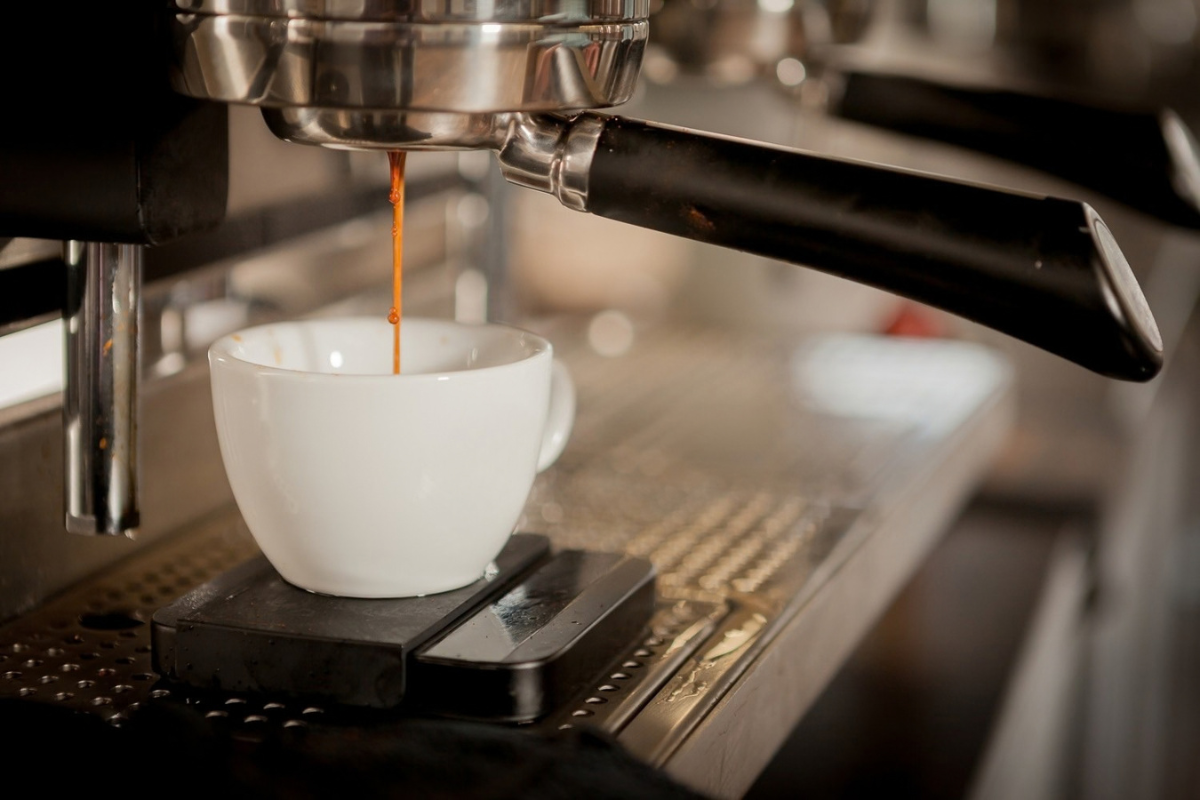
Brewing has also become more hands-on. Methods such as pour-over, Chemex, AeroPress, and other manual techniques allow baristas to control variables such as grind size, water temperature, ratio, and extraction time.
These variables can have a significant impact on how a coffee tastes. By paying closer attention to the brewing process, baristas and consumers can better highlight the characteristics that make each coffee unique.
Is Third Wave Coffee the Same As Specialty Coffee?
It is important to understand that Third Wave Coffee and specialty coffee are not exactly the same thing. Specialty coffee primarily describes the quality of the coffee itself, while Third Wave describes a broader movement and philosophy surrounding how coffee is sourced, roasted, prepared, presented, and understood.
Specialty-grade coffees are often an important part of Third Wave cafés, but the movement goes beyond a score or classification. It places value on transparency, producer relationships, education, sustainability, and the overall experience from seed to cup.
While specialty coffee can describe what is in the bag, Third Wave describes the culture and approach surrounding that coffee.
Why Does Third Wave Coffee Matter?
Ultimately, Third Wave Coffee is about changing the way we think about what is in our cup. It encourages consumers to look beyond coffee as simply a morning beverage and instead appreciate the people, places, agricultural practices, processing decisions, roasting techniques, and brewing methods that make each coffee unique.
It has helped create a culture where the story behind a coffee can be nearly as important as the flavor itself. As the specialty coffee industry continues to evolve, the principles that helped define the Third Wave continue to influence how coffee is sourced, traded, roasted, brewed, and enjoyed around the world.
Frequently Asked Questions
What Is Third Wave Coffee?
Third Wave Coffee is a movement that focuses on coffee quality, origin, transparency, sourcing, roasting, brewing, and the overall experience of drinking coffee. It emphasizes the unique characteristics of individual coffees and the people and processes behind them.
What’s the Difference Between Second and Third Wave?
Second Wave Coffee helped popularize café culture, espresso-based drinks, and coffee as an experience. Third Wave Coffee places greater emphasis on the specific characteristics of the coffee itself, including its origin, varietal, processing method, roasting, and preparation.
Is Third Wave Coffee the Same as Specialty Coffee?
No. Specialty coffee primarily refers to the quality and characteristics of the coffee, while Third Wave Coffee describes a broader movement and approach to sourcing, roasting, brewing, and appreciating coffee.
Why Is Third Wave Coffee Often Lightly Roasted?
Lighter roast profiles can help preserve and highlight the inherent characteristics of a coffee, including floral, fruity, citrus, and sweet flavors. However, roast level varies among roasters and coffees, and Third Wave Coffee is not defined solely by light roasting.
What Are Common Third Wave Brewing Methods?
Pour-over, Chemex, AeroPress, and other manual brewing methods are commonly associated with Third Wave Coffee. These methods allow baristas and consumers to control variables such as grind size, water temperature, brewing ratio, and extraction time.
Looks like you're not logged in! If you have an account, log in here
Don't have an account? Click here to register or close popup window and continue shopping.
You successfully reset your password, please login to your account.
This site uses cookies to allow for proper checkout and order processing; they are not used for any other tracking purposes. By continuing, you accept our use of cookies.