As roasters, we’re constantly fine tuning our approach, adjusting charge temperatures, gas settings, and airflow to keep each roast aligned with our quality goals. But what happens when production needs shift and you’re suddenly roasting smaller batches than usual? Here’s how to scale down production for small batch roasting.
Why Roasting Batch Size Matters
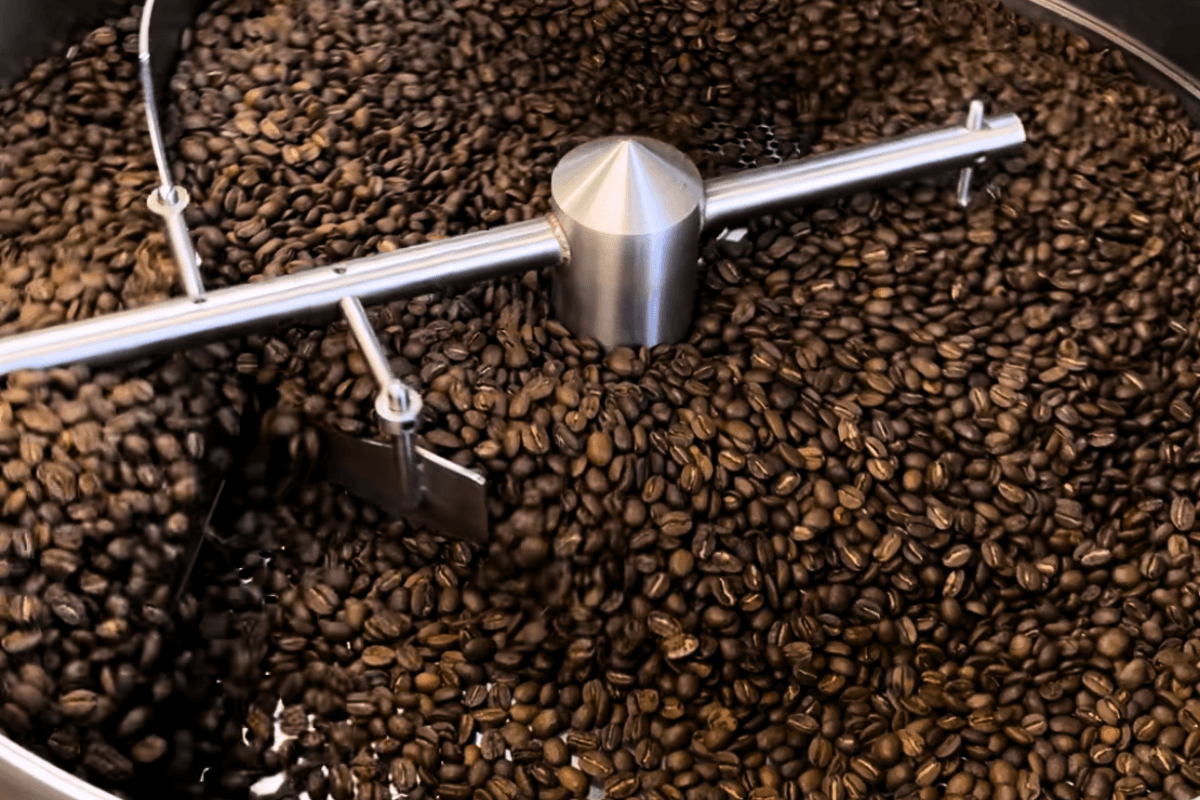
Batch size directly affects thermal dynamics inside the roasting drum. When you roast a smaller batch, you change the relationship between bean mass, drum temperature, and airflow.
In other words, a smaller batch can behave entirely differently. Your turning point, rate of rise (RoR), and overall progression through drying, Maillard, and development can all shift.
The key is to scale back heat application so you approach the roast as you would a full batch. If you apply heat at the same percentages as you would a full batch, the roast is at risk of moving too fast and not developing flavors.
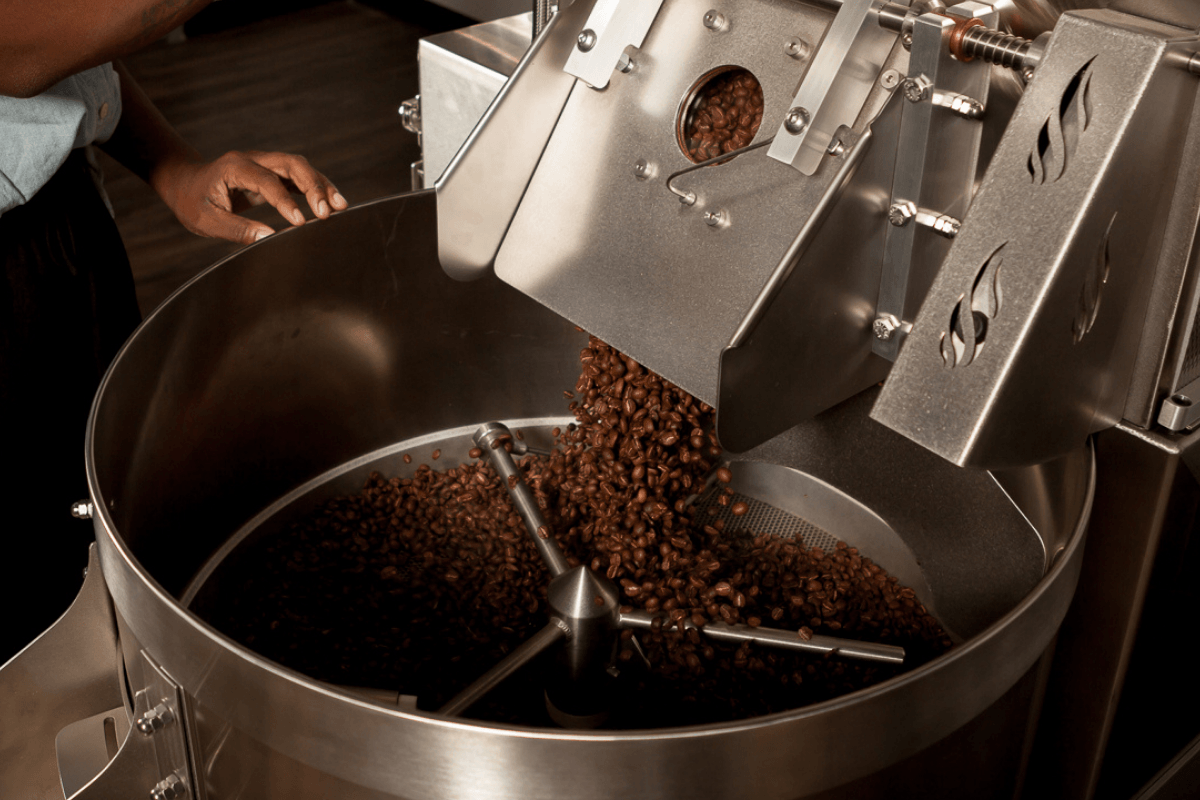
As production needs shift and offerings on your menu change, it is beneficial to be able to roast different batch sizes. When I was production roasting daily on a 45-kilo Probat, our max load size was 98 lbs. However, we had the ability to roast 20-lb., 40-lb., 60-lb., and 80-lb. batches by adjusting charge temperatures and heat application.
Common Challenges When Scaling Down
Faster Rate of Rise (RoR)
Using less green coffee can cause your RoR to spike early.
Shortened Roast Duration
Smaller batches often reach first crack sooner. If you’re not compensating for this with gas adjustments or airflow changes, your development ratio can end up shorter than intended. If you move too fast through Maillard, flavors will not have time to develop.
Reduced Heat Transfer
Reduced heat transfer can lead to uneven color and slower Maillard reactions.
Airflow Adjustments
Roasters dial in batch sizes based on style, approach, and machine capacity. Airflow adjustments can change the trajectory and outcome of the roast profile.
When Small Batch Roasting Makes Sense
There are many reasons to roast smaller batches: dialing in new coffees, fulfilling smaller orders, or managing leftover green coffee as offerings come off your menu.
Smaller batches are a great opportunity to learn more about your machine’s responsiveness. They reveal how your roaster behaves when green coffee is reduced, providing valuable insight that can help you fine-tune consistency across all your roasts.
Adjustments for Smaller Batches
Lower Charge Temperature
Start with a slightly lower charge temperature to prevent an aggressive early RoR. Smaller batches absorb heat quickly.
Reduce Heat Application
Reduce gas adjustments to keep the roast controlled through drying and Maillard. Watch how your RoR responds and aim for a more gradual decline.
Track and Compare
Document charge temperature, gas application, airflow, and sensory outcomes. Use your full batch roast curve data as a reference while treating the smaller roast as its own unique profile.
Making these adjustments will help you stay within your range of roast profile targets as if you are roasting your normal batch sizes.
Final Thoughts
Small batch roasting requires a few adjustments, but it can also be a valuable way to better understand your roaster and refine your approach. By adjusting heat application, airflow, and charge temperature, you can maintain control of the roast and achieve consistent results across different batch sizes.