Ever look at a tea name or product description and wonder, What does that even mean? Our new tea glossary is here to hopefully answer that very question! From “astringent” to “TGFOP”, we’re giving you the A-Zs of specialty tea.
Basic Tea Terminology
Camellia Sinensis: The tea plant; where all tea comes from.
Cultivar: Also means “Cultivated Variety”; a specific tea plant crossbred by farmers to elicit desired traits, whether done intentionally or accidentally.
Estate: A garden in which tea is grown.
Flush: The harvest season for teas: First, Second, Monsoon, Autumn, Winter.
Tea: A hot or cold-brewed infusion made from the dried leaves of the Camellia Sinensis plant.
Tea Type Glossary
Black Tea: Rich and full-bodied, black tea flavors can often vary. Common notes may include earthiness, leather, dried fruit, honey, and spice.
Green Tea: Fresh and complex, green tea tasting notes range from floral to savory. Once rarely seen on tea menus, green tea is now a staple for any tea program.
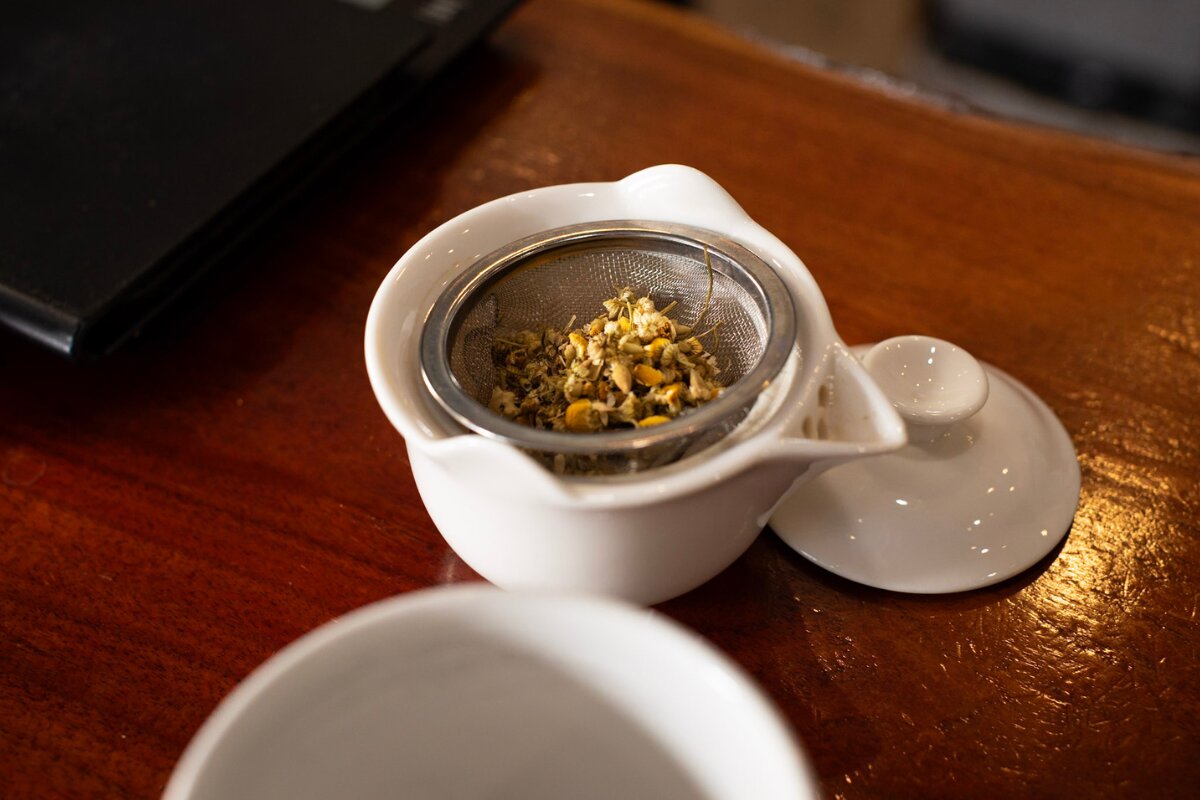
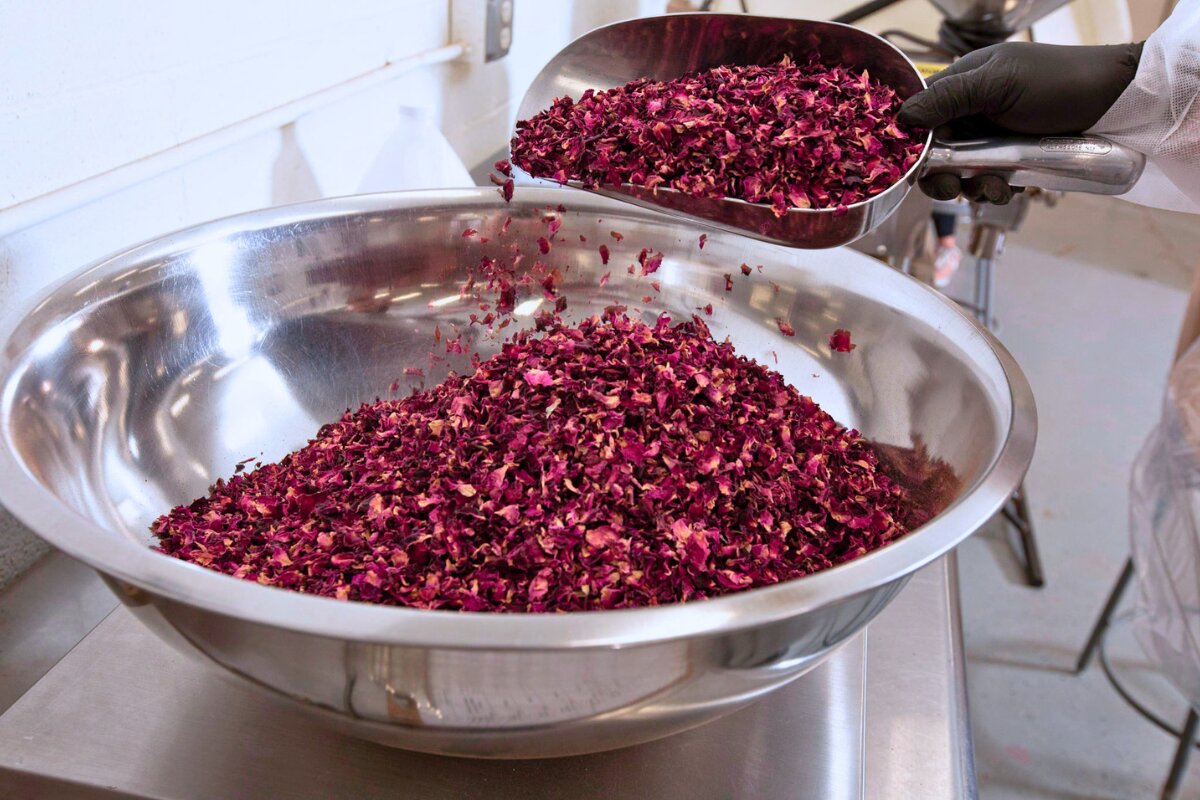
Herbal Tea: A blend of herbs, spices, botanicals. Herbal teas are typically caffeine-free as they do not contain true tea leaves; also known as “tisanes”.
Oolong Tea: Oolong tea produces a rich brew with floral and honey notes. It’s also often medium to full-bodied.
Pu’erh Tea: Processed through fermentation, pu’erh tea is available in loose leaf and occasionally compressed cakes. Its flavor profiles are diverse, as it can include flavors such as tobacco, aromatic wood, leather, and dried fruit.
Tisane: An herbal tea.
White Tea: Light in color and flavor, these teas offer a subtle sweetness that is balanced by vegetal and floral notes.
Processing Methods
Bruising: A step in processing that involves shaking or tossing the leaves to begin oxidation by breaking down the cell walls and releasing enzymes.
Drying: Sometimes called “firing”, usually the final step in tea production. This step uses heat to reduce the moisture content in the leaves to halt oxidation and finalize flavor and shape.
Oxidation: A processing method where tea leaves are exposed to air, allowing the enzymes within the leaves to interact with oxygen. The level of oxidation determines what kind of tea will be produced, e.g., black, white, green, etc.
Rolling: A processing method where tea leaves are rolled, either by hand or machine, to create the desired shape.
Withering: A processing method that reduces moisture within the tea leaves. It makes the leaves more moldable, which leads to greater success when rolling. However, it can also affect aroma and flavor.
Tea Tasting & Evaluation Glossary
Aroma: Smell of the tea.
Astringent: The “bitter” flavor in a cup due to the presence of tannins in the tea leaves.
Body: How thick or heavy brewed tea feels in the mouth.
Cupping: The process used to evaluate a tea’s quality: studying the dry leaf, smelling the aroma of the brewed tea, and tasting.
Extraction: The process of steeping the tea in hot water to draw out the flavor.
Liquor: The brewed tea liquid.
Tannins: Naturally-occurring polyphenols in tea leaves that can create astringency or dryness in the mouth.
Tasting Notes: The strong or subtle flavors detected in brewed tea.
Leaf Grades
BOP: Stands for Broken Orange Pekoe.
CTC: Stands for Cut Tear Curl; a processing method mostly seen in Assam, India.
Fannings: A low grade of tea made up of small, broken particles. Typically used for iced tea filters, where a stronger extraction may be needed, like in our Argentinean Iced Tea.
FOP: Stands for Flowery Orange Pekoe.
FTGFOP: Stands for Fancy Tippy Golden Flowery Orange Pekoe.
OP: Stands for Orange Pekoe.
Orange Pekoe: A grading term used to describe black tea (typically Indian or Sri Lankan tea) with consistently-sized leaves and no buds.
TGFOP: Stands for Tippy Golden Flowery Orange Pekoe.
Matcha & Japanese Tea Tools
Chasen: A bamboo whisk used for preparing matcha alongside a chawan.
Chawan: A traditional Japanese matcha bowl.
Chashaku: A bamboo scoop used to measure matcha.
Matcha: Powdered Japanese green tea made from tencha.
Tencha: Special Japanese shade-grown tea leaves that are plucked and then ground into a fine powder, resulting in matcha.
Tea Formats
Blend: A mix of different tea leaves or herbal ingredients.
Iced Tea Filters: Pre-portioned filters used for brewing iced tea in batches.
Loose Leaf Tea: Tea leaves sold as is, not packaged into tea bags or sachets.
Pyramid Sachets: Pyramid-shaped tea “bags.” Royal Tea New York uses commercially compostable pyramid sachets made of plant starch, making them more environmentally friendly.
Tea Bags: Pre-portioned bags of tea, typically filled with lower grade, fannings material. Can be made from many different materials, including paper, plastic, or nylon.
Updating Our Glossary
Our plan is to make this tea glossary a living resource on our blog. As more questions and ideas arise, we will update this glossary to include as many tea-related terms as necessary.
Notice something missing from our tea glossary? Then let us know what else you’d like defined!