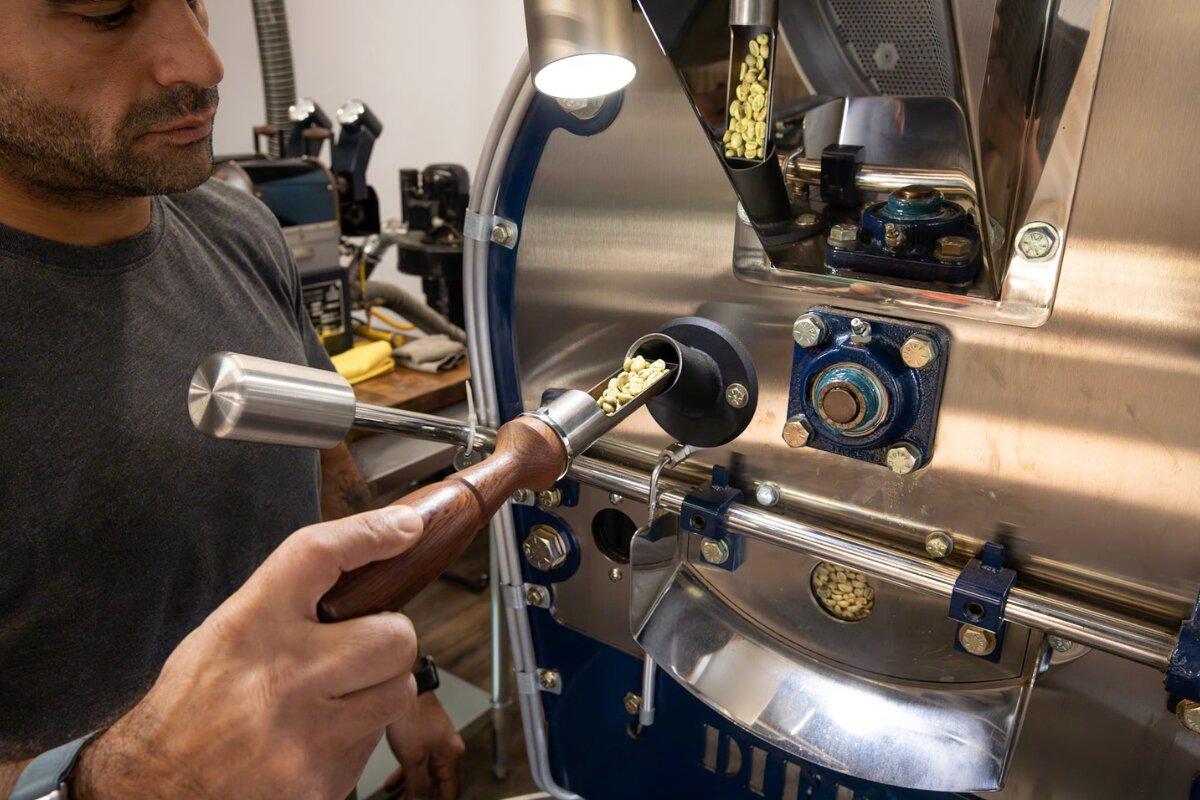
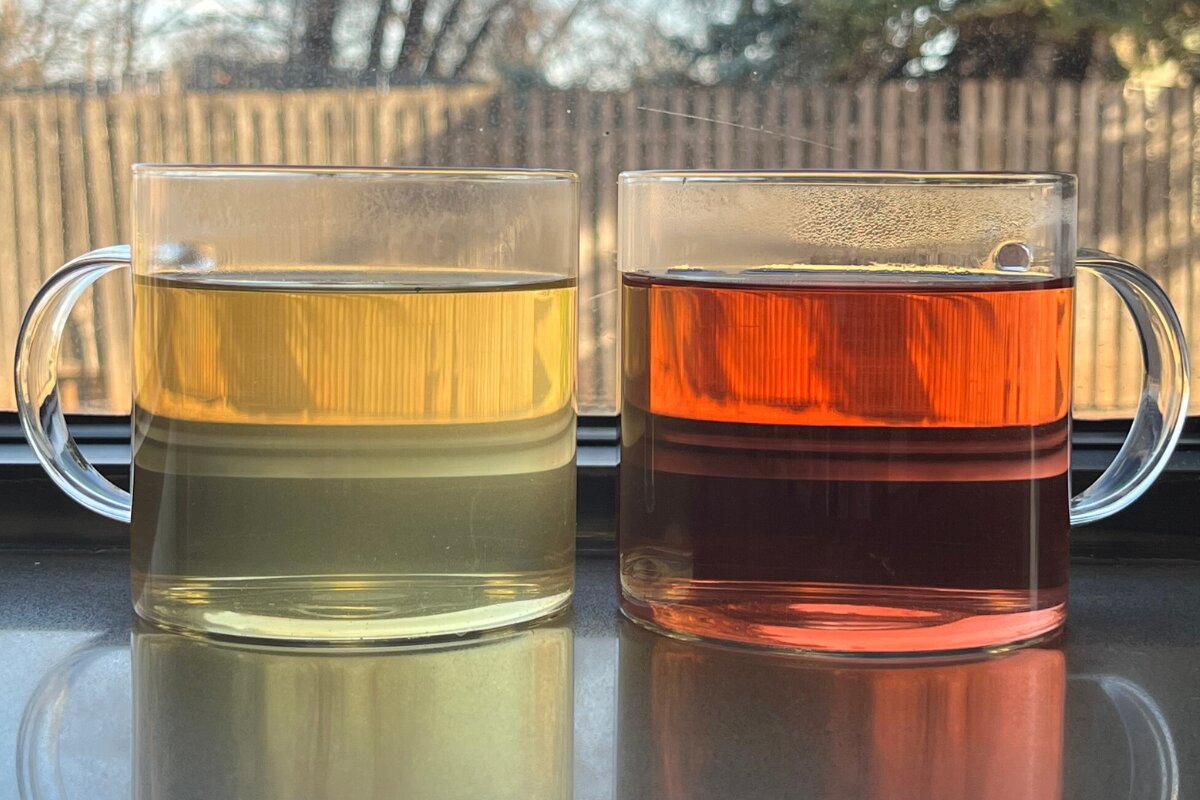
Coffee quality control is essential for maintaining consistency and ensuring every roast reflects your intended profile. By creating a workflow that supports both tasting and roasting, you can execute successful roasts and deliver the best quality product to your customers. For the next installment of Quality in Practice, learn how to keep your roasting team calibrated while continuously improving quality.
Coffee Quality Control in the Roastery
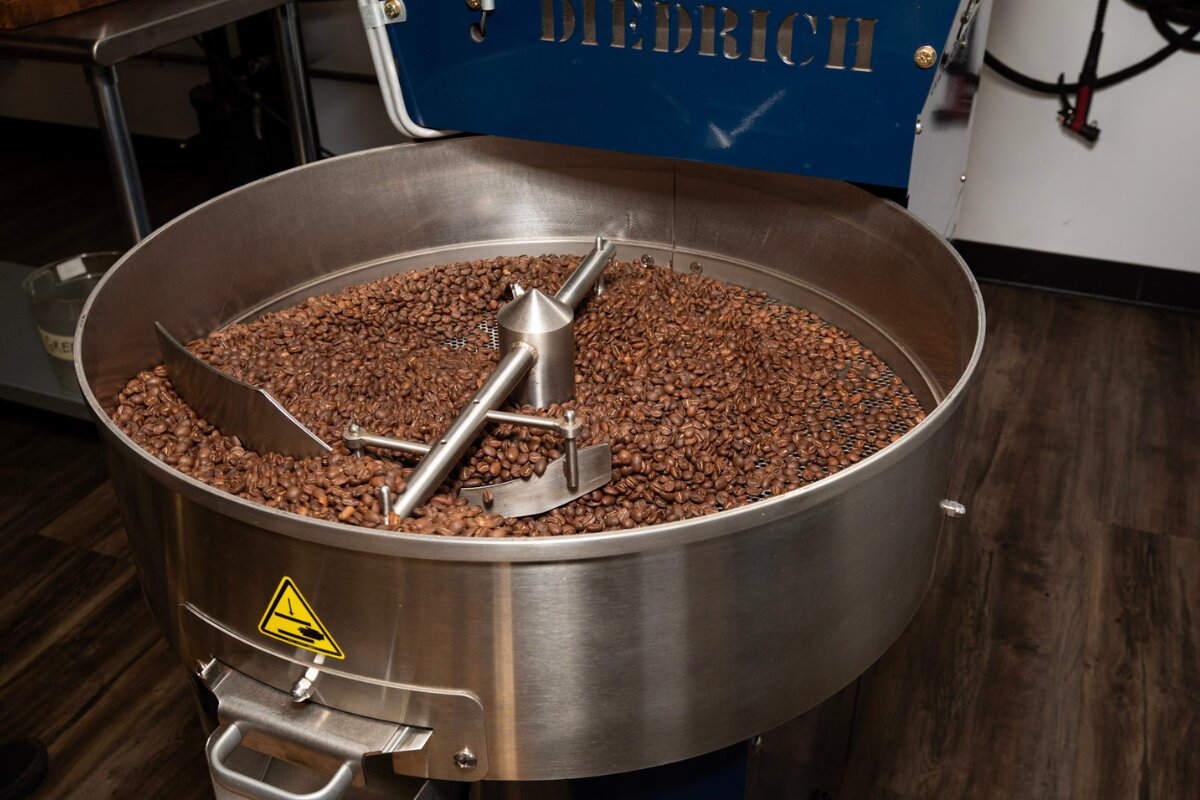
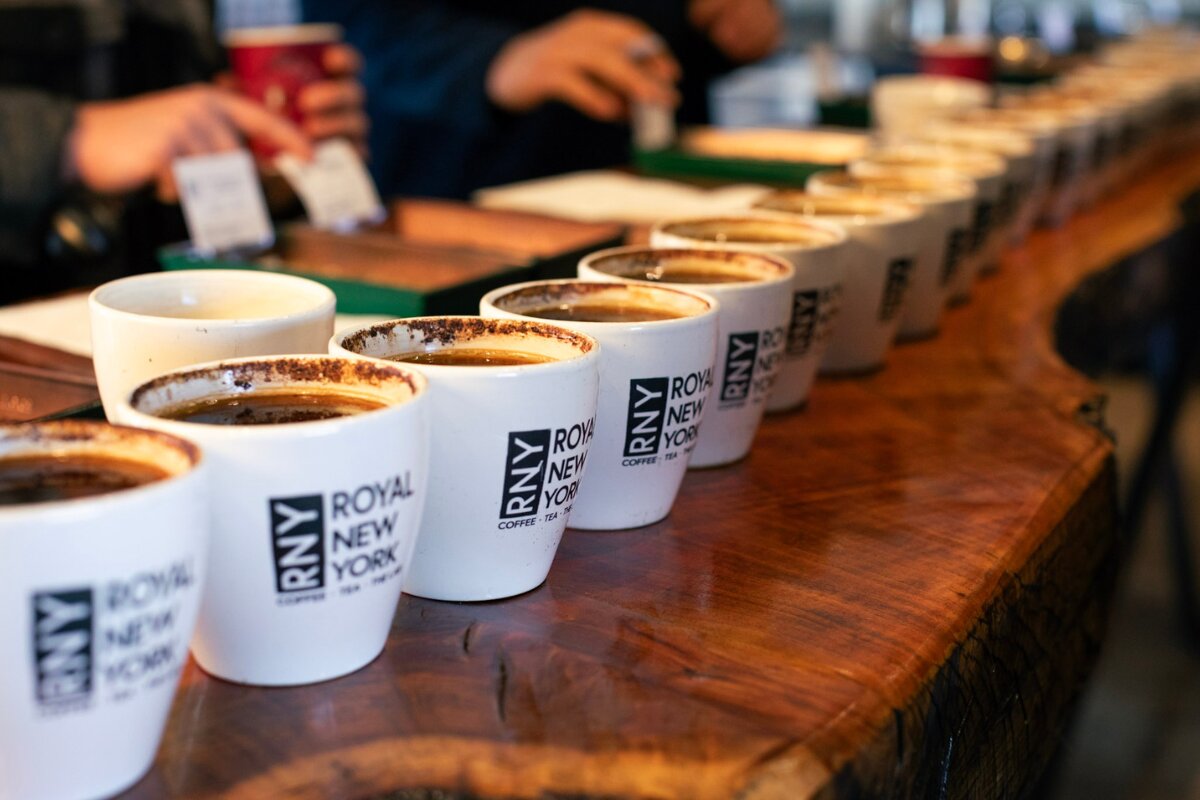
The first step to coffee quality control is setting a roast profile. Setting a roast profile makes it easier to keep consistency from batch to batch when multiple people are roasting the same coffees. Tasting different batches weekly also helps ensure quality and consistency are met by all team members. To do this, first collect blind samples across different batches to remove any bias. Then, have your roasting team cup the samples to ensure the coffee is roasted to the desired profile and see if any adjustments need to be made.
Cupping/Tasting to Support Quality Control
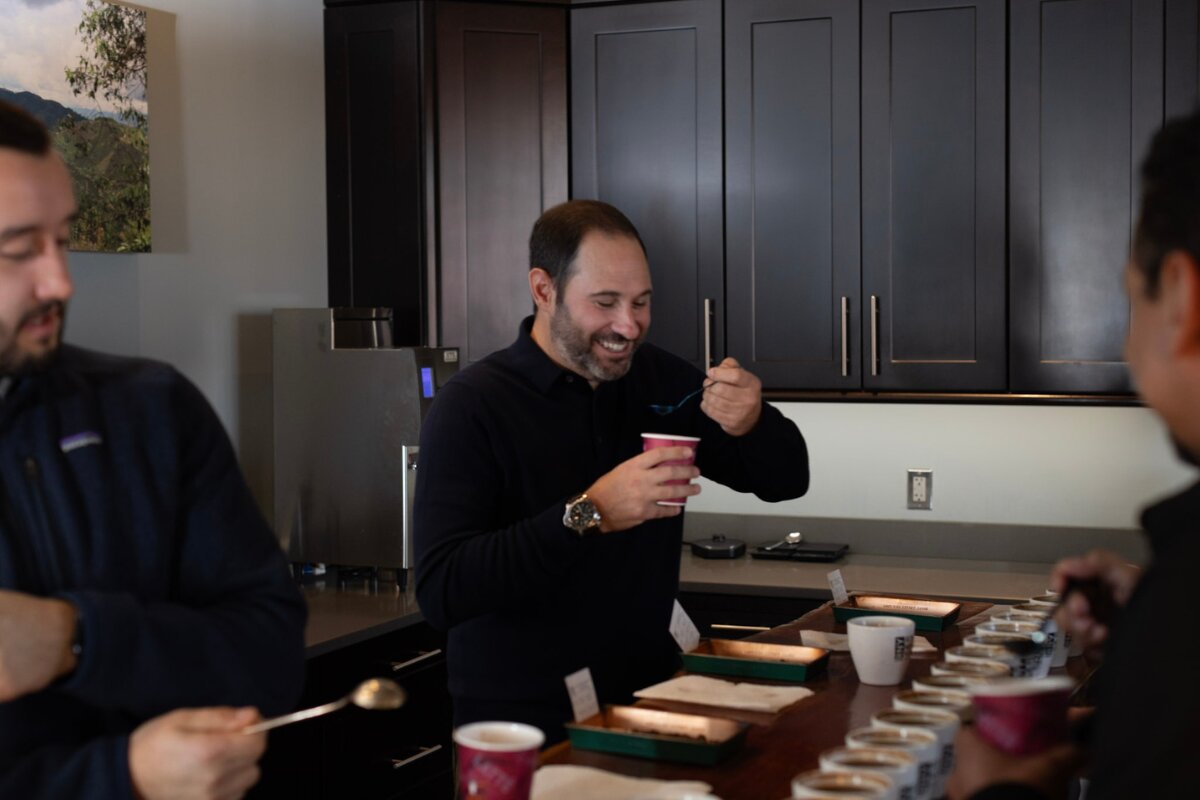
Implementing a cupping and tasting program will benefit your coffees while improving your staff’s roasting performance and palate development. This will also allow you to stay on top of the coffee on your menu, monitor their performance over time, and help inform future green coffee purchasing decisions.
Cupping as a team and discussing how roasting approaches and techniques influence flavor will help dial in and evolve roast profiles. This is especially important when a coffee has been in house and on the menu for an extended period. Regularly scheduled cuppings will ensure you and your team are calibrated while simultaneously building camaraderie.
Evaluating Coffee Beyond the Cupping Table
While cupping is always a terrific way to evaluate coffee quality, there are other alternatives. The first one is tasting batch brews, as most of your customers are consuming your coffee this way. Try brewing up an air pot to see how the coffee performs there vs on the cupping table.
Another alternative to cuppings is doing espresso evaluations. Espresso evaluations will provide insight into how your coffees are performing in cafés. It’s good practice to have a lead barista pull shots for the roasting team so everyone can taste and evaluate their work on the roaster.
Furthermore, if you have a roastery with multiple cafés, you should go to each one to see how the same coffee is performing in each location. This is how you can ensure your cafés are calibrated and providing your customers with the same experience.
Final Thoughts
Following this formula of roasting and tasting will keep your team calibrated and aligned in their roasting approach and philosophy. Regular evaluation allows you to refine profiles, address inconsistencies, and adapt as coffees change over time. This constant feedback loop is essential to achieving consistency from batch to batch and delivering the highest quality to your customers.