Looks like you're located outside the continental United States!
While we can't ship Royal NY Line Up boxes to you through our website, our team of coffee traders will be happy to help place your order and secure the best shipping rates for you.
Please note that if you have other items in your cart such as tea or tickets to an event at The lab, you will not be able to proceed to payment until all 22lb. boxes have been removed from your order
Looks like you're located outside the continental United States!
While we can't ship Royal NY Line Up boxes to you through our website, your coffee trader will be happy to help place your order and secure the best shipping rates for you.
This Costa Rican Tarrazu Honey from Quebradillas is the epitome of a clean, sweet, easy-drinking coffee. To highlight that exceptional sweetness, I used a Kalita Wave and a slightly more aggressive pouring technique, hoping to really bring out that bright, clean acidity and try to place it front and center in the cup. I split this brew into three pours: I started with two high agitation 10 ml/s outside pours, pouring first to 75 g, then to the 150 g mark after 45 seconds. Normally, I would be a bit hesitant to be so aggressive on the front end of a brew; however, this coffee cupped so cleanly that I felt I could get away with it. At the 1:10 mark, I went for my last pour to 240 g at 4 ml/s, starting with an outside circle to agitate all the grounds evenly. I slowly spiraled inwards until 175 g, at which point I began pouring directly in the center for the remainder of the brew. This last step is a great way to flatten the bed and even out the finish of a brew on flat-bottom brewers. In this case, it resulted in a superbly clean cup with crisp apricot and tangerine up front, finishing on a really nice, sweet honey note, complemented by subtle, delicate florals.
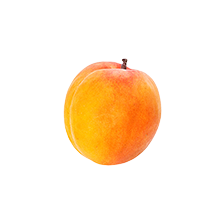
Apricot
Honey
Tangerine
Roast Analysis
Roasted On
Diedrich IR-5
Color Change
6:15
First Crack
9:01
Roast Duration
11:18
Development Time
2:17
This honey processed micro lot from Costa Rica Tarrazu shined on the cupping table with clean, crisp notes of honey, tangerine, and apricot.
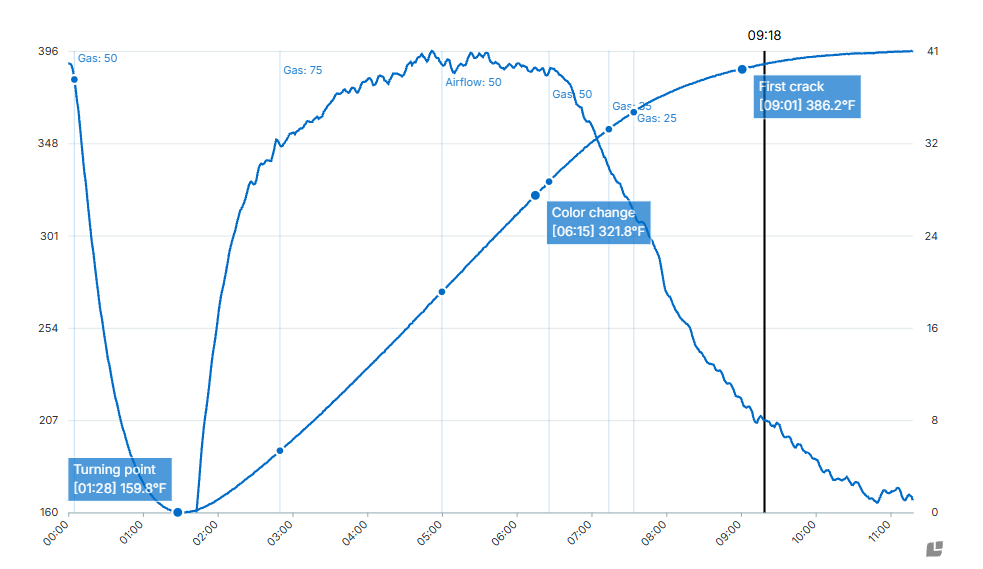
I roasted a 9lb batch on our 5 kilo Diedrich IR-5 and charged at 389°F with 50% heat applied. I reached turning point 1:28 into duration at 159°F. As I approached the 3-minute mark, I increased heat application to 75%. After 5 minutes, I adjusted the airflow to 50%.
This coffee began taking on color incrementally. I did not reach the maillard phase of the roast until 6:15. As I moved through the maillard phase, the color smoothed and evened out, and I noticed nice expansion. At 6:26, I began to reduce heat application. I decreased to 50%, then to 35%, and took it down to 25% at 7:34. I had momentum as I moved toward first crack.
The development phase of the roast began 9:01 into duration at 386°F. First crack was light, and I experienced aromas of honey and brown sugar throughout development. I achieved 2:17 of development time with a duration of 11:18 and an end temperature of 395°F.
About The Source
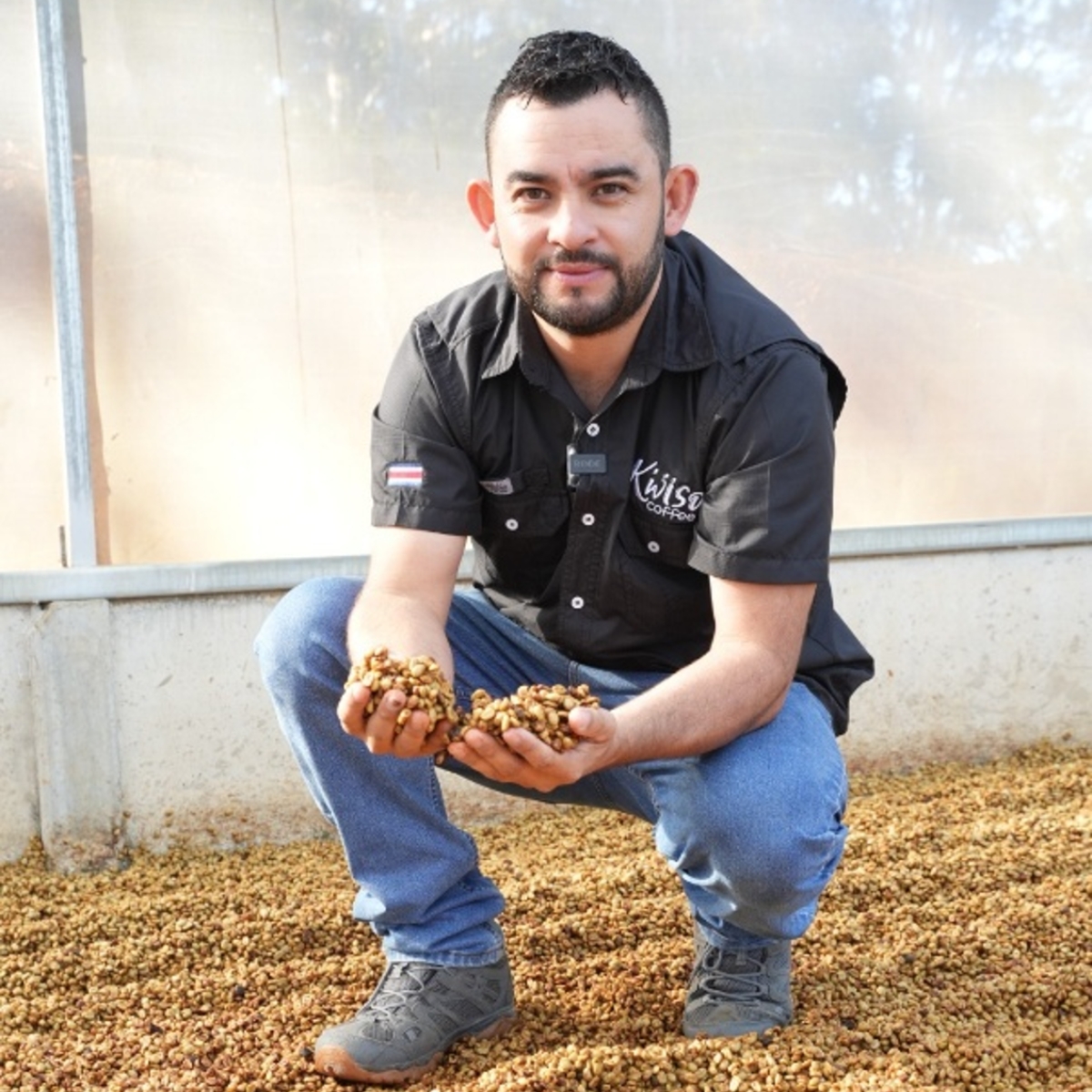
This honey-processed lot comes to us from Las Cataratas farm in Tarrazu. Located between 1400-1800masl, Las Cataratas is part of Kwiso Coffee, a family project.
On the farm is an area that protects the "Martilla" animal, which is pronounced "Kwiso" in the Panamanian Nöbe. After finding the animals on the property, the project was named "Kwiso" in gratitude to coffee pickers from Panama who help harvest this lot.
The specialty coffee producers of Kiwso Coffee are passionate about their work, offering a variety of processing methods in order to provide unique experiences to every consumer.
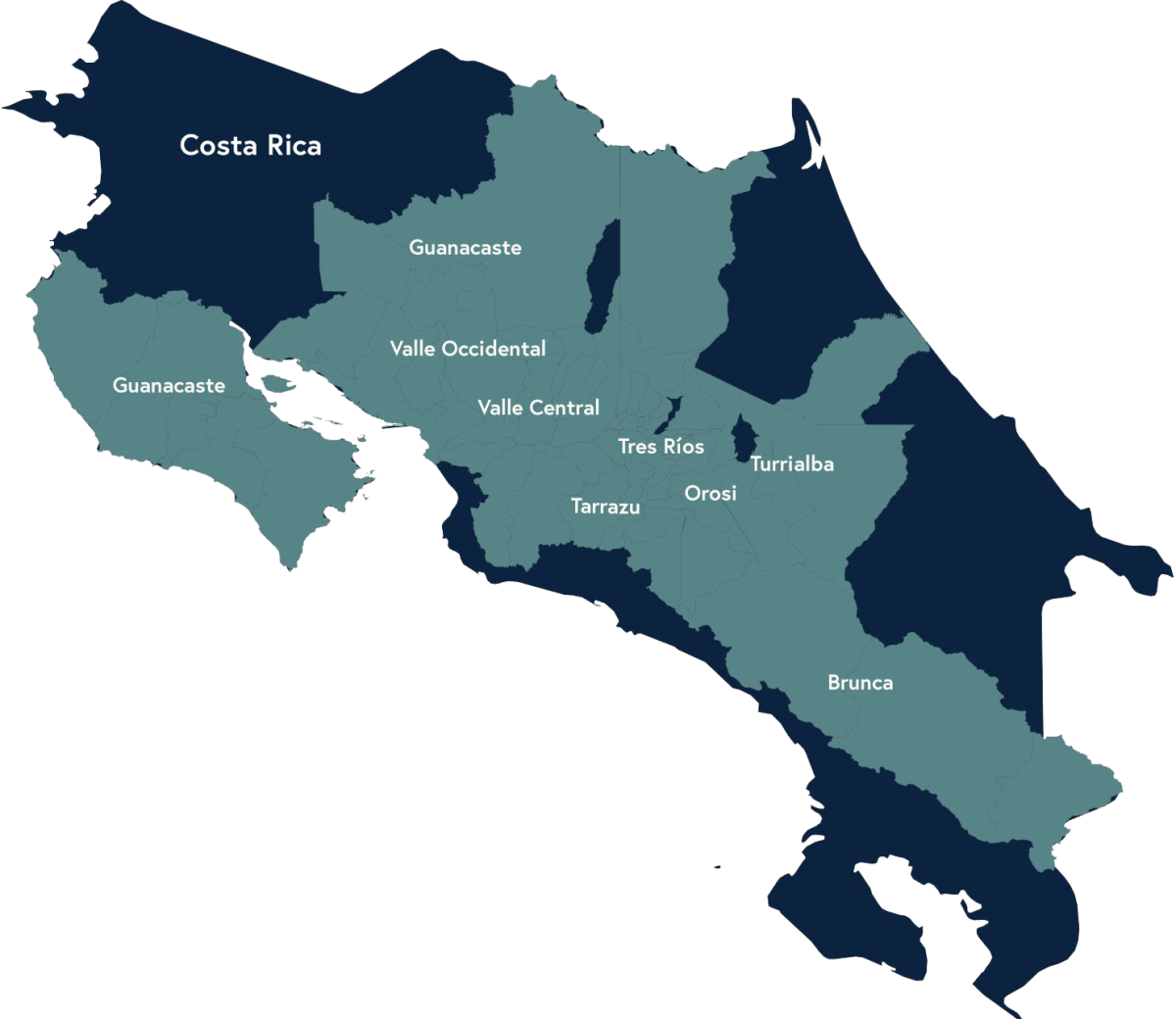
Coffee Origin Profile: Costa Rica
Costa Rica's coffees range from mild and sweet to exotic and tropical
Looks like you're not logged in! If you have an account, log in here
Don't have an account? Click here to register or close popup window and continue shopping.
You successfully reset your password, please login to your account.
This site uses cookies to allow for proper checkout and order processing; they are not used for any other tracking purposes. By continuing, you accept our use of cookies.