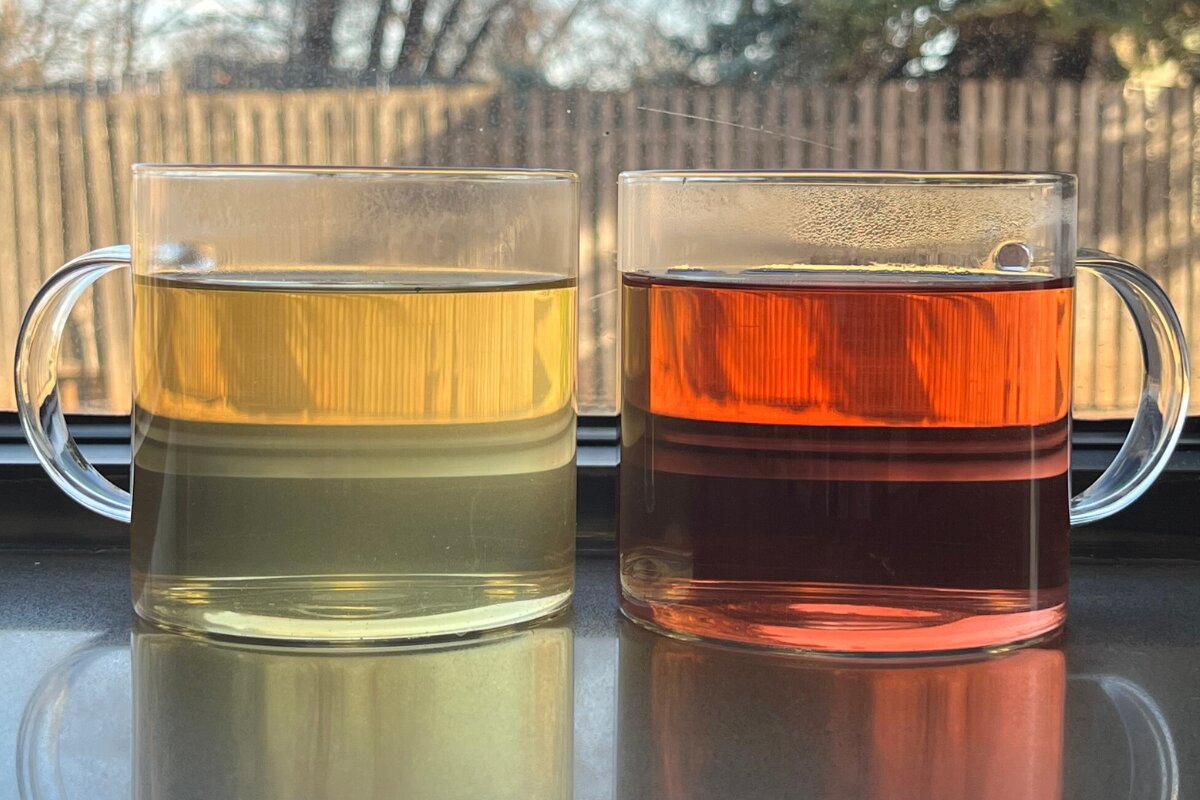
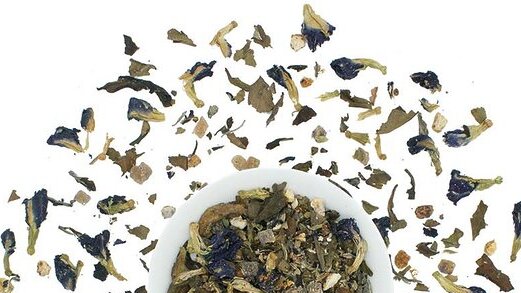
Have you ever wondered what the difference is between a tea and a tisane? The two terms are often used interchangeably, even though they’re not technically the same. While both are brewed as hot infusions, only one actually qualifies as “true” tea. Understanding the distinction can be helpful for labeling, marketing, sourcing, and educating customers. Learn what sets apart a tea vs a tisane.
Tea vs Tisane: What is tea?
All “true” teas come from one plant: camellia sinensis. These include:
- White Tea: Light in color and flavor, these teas offer a subtle sweetness balanced by vegetal and floral notes.
- Green Tea: Fresh and complex, green tea tasting notes range from floral to savory. Once rarely see on tea menus, green tea is now a staple for any tea program.
- Oolong Tea: Oolong tea produces a rich brew with floral and honey notes and is often medium to full-bodied.
- Black Tea: Rich and full-bodied, black tea flavors can often vary. Common notes may include earthiness, leather, dried fruit, honey, and spice.
- Pu-erh Tea: A tea processed through fermentation, pu-erh is available in loose leaf and occasionally compressed cakes. Flavor profiles are diverse and can include tobacco, aromatic wood, leather, and dried fruit.
Although these teas vary in appearance, taste, and aroma, they are all derived from the same plant. The final cup is determined by processing methods, including oxidation, rolling, drying, firing, steaming, and even aging.
Favorite RTNY Tea Blends
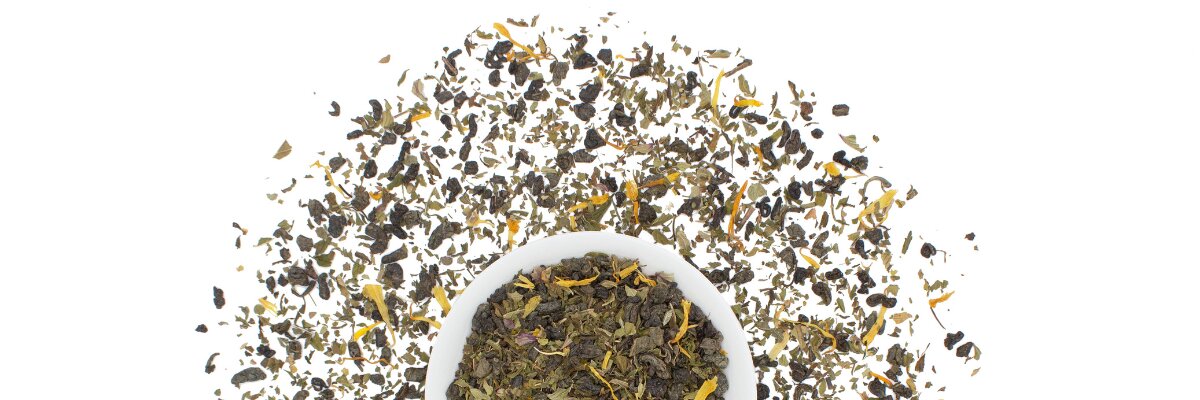
Interested in tea? Then check out some of our favorite “true” tea blends!
Tea vs Tisane: What is a tisane?
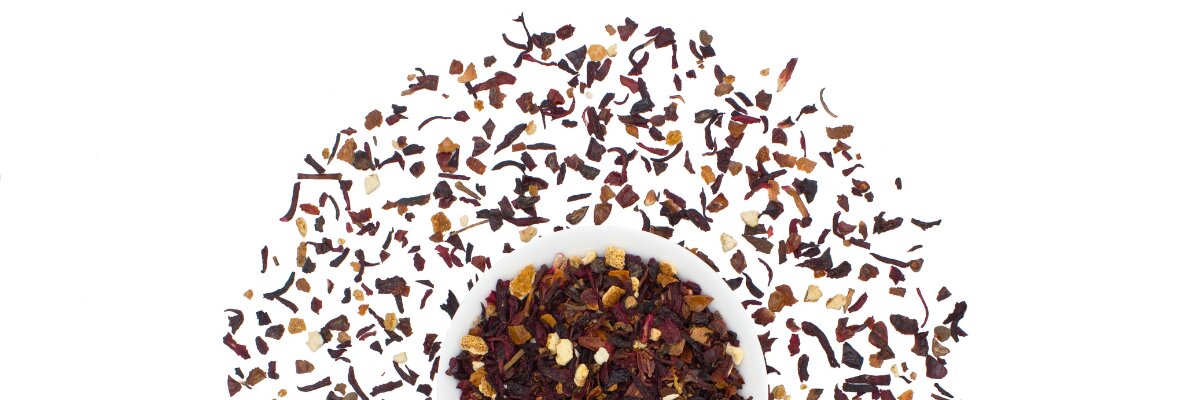
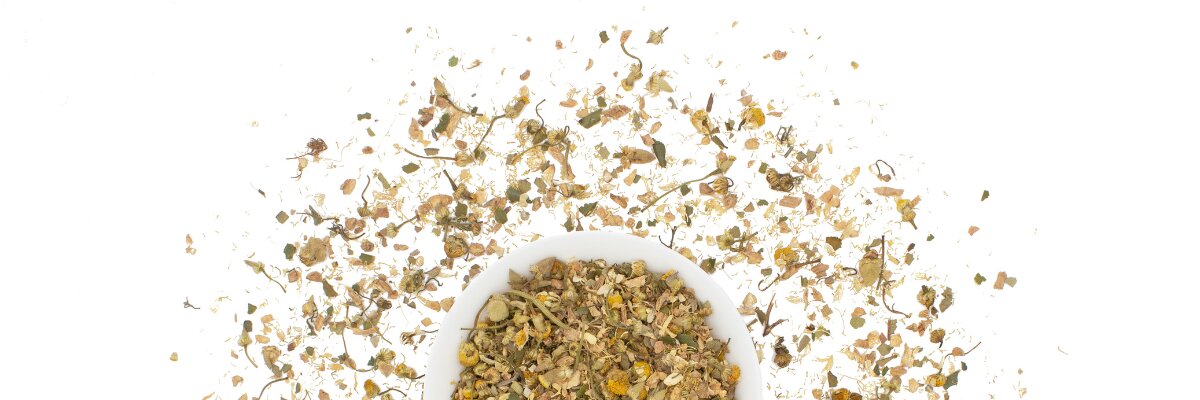
Tisanes, or “herbal teas”, are infusions made from anything that isn’t camellia sinensis. These include:
- Herbs: spearmint, peppermint, lemongrass
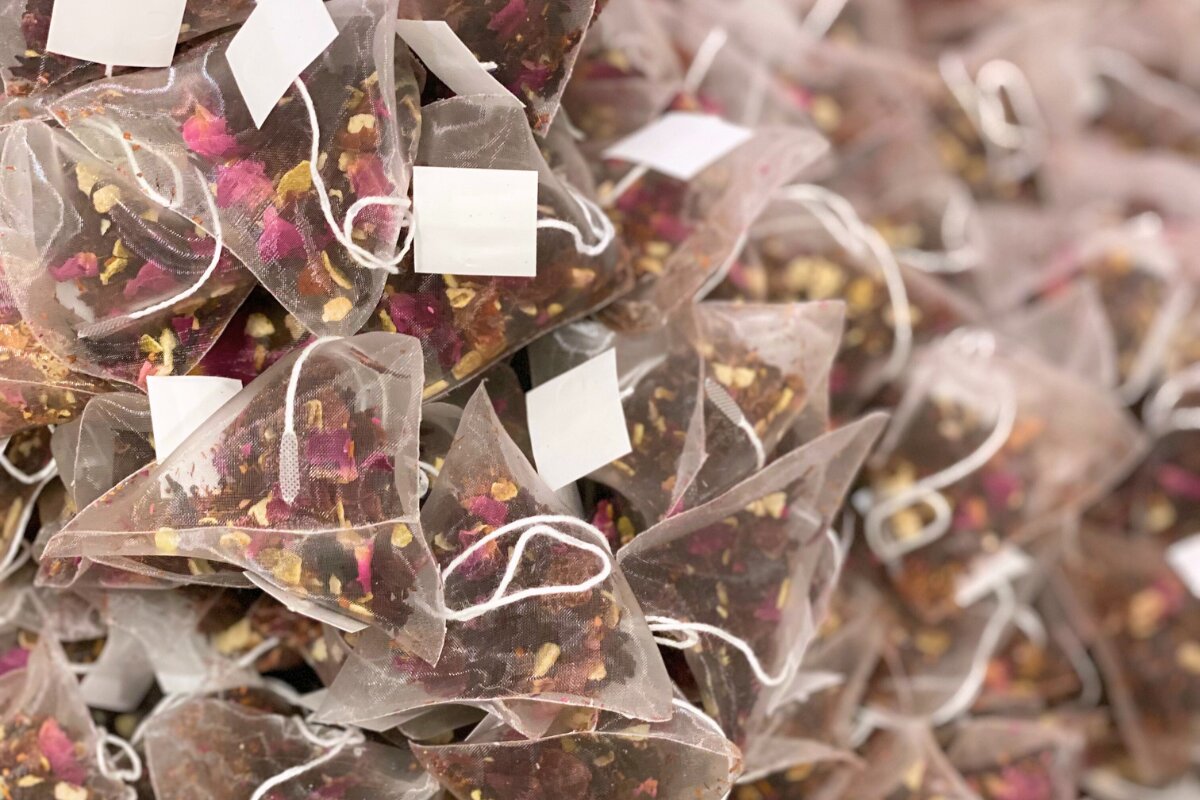
- Botanicals: rose petals, lavender, chamomile
- Spices: cinnamon, ginger, cardamom
- Dried Fruit: orange peel, apple pieces
- And more!
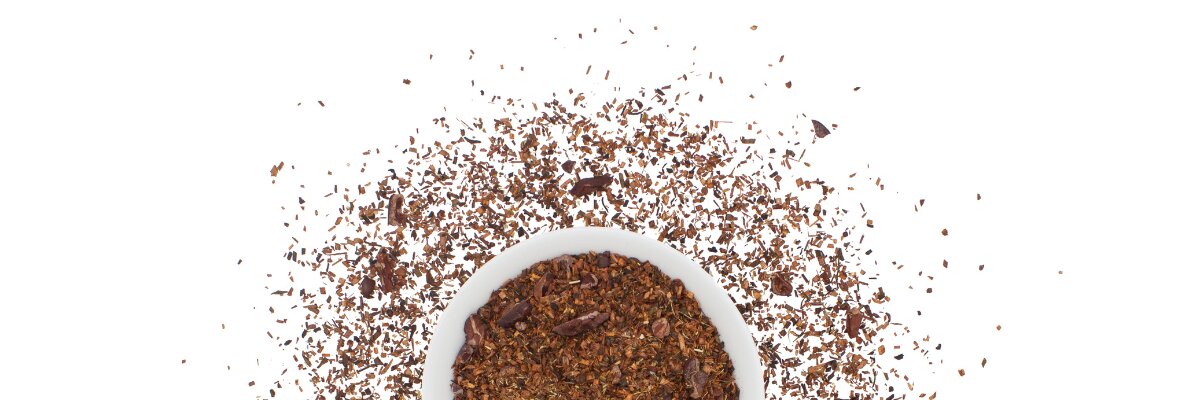
Unlike camellia sinensis, tisanes are usually caffeine-free, though there are exceptions. For example, Yerba Mate and cocoa nibs are tea-related ingredients that naturally contain caffeine.
Favorite RTNY Tisane Blends
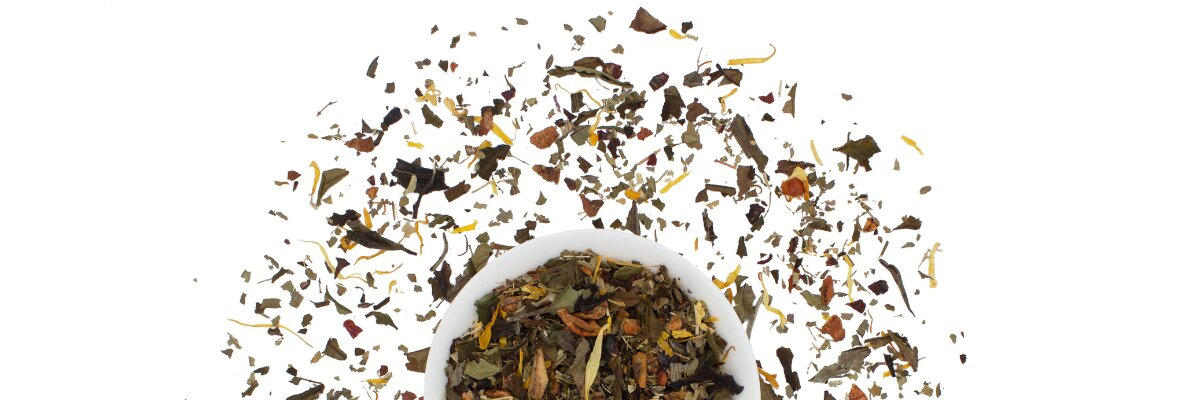
Interested in tisanes? Then check out some of our favorite tisane blends!
Final Thoughts
By understanding the difference between a tea vs a tisane, you can better educate your customers and tell the story behind what’s in their cup. From classic teas to innovative herbal tisanes, both play an important role in building a well-rounded program.