Tanzania is an interesting origin for us for a few reasons. However, one stands out among the rest; we love peaberries! If you’re not familiar, a peaberry is a natural genetic mutation of the coffee seed inside the fruit that causes the development of a single, small, oval-shaped bean, rather than two beans that are flattened and facing each other evenly. You can find peaberries throughout the coffee growing world. Yet, Tanzanian peaberries stand out as one of the more commercially marketable and viable available.
Tanzania has been a challenging origin over the last few years. With ever-changing government regulations, mismanagement, and lack of investment, we’ve unfortunately seen a decline of quality. This, in turn, led for our need to expand our presence in the country to build better and more sustainable relationships with producers, millers and exporters in the area.
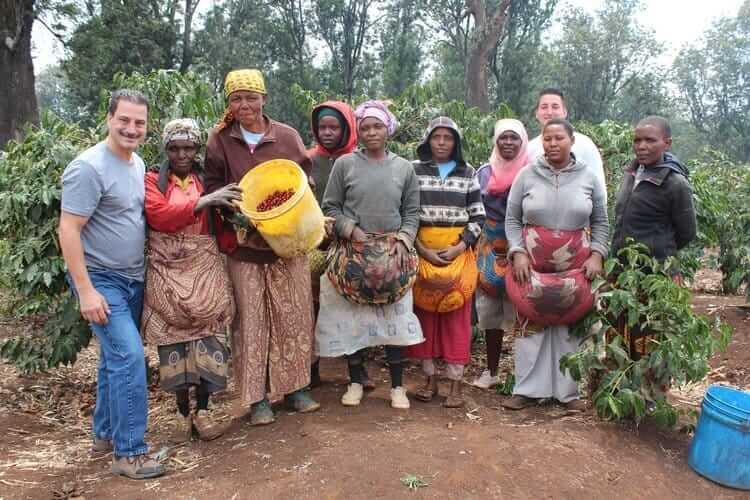
So, with all this in mind, Richard and I traveled to Tanzania in October of 2018 to expand our horizons and source some new high-quality coffees from great new partners. The end result has so far been an incredible success. We’ve seen some of these coffees from our trip land in our warehouses, and will see more arriving through February and March.
Tanzania APK (Africa Plantation Kilimanjaro) Lyamungo Estate
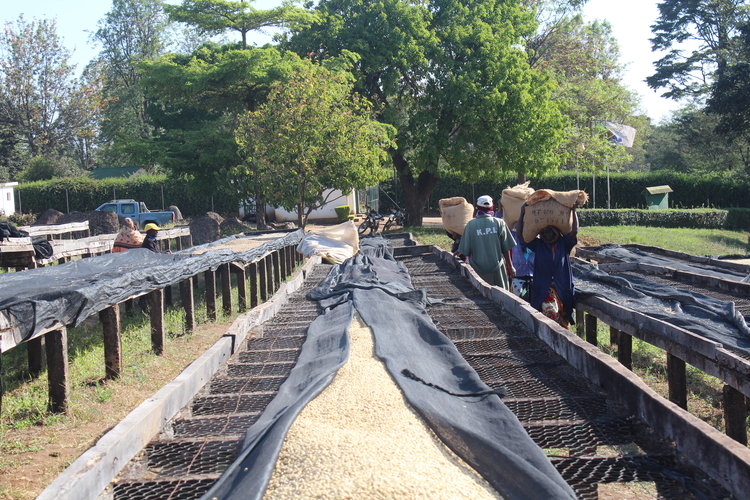
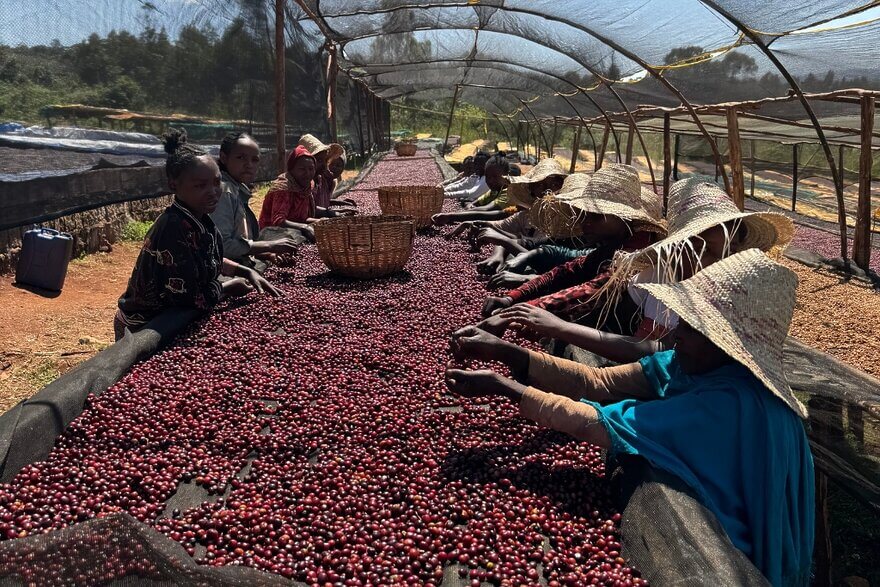
Located in the shadow of Mount Kilimanjaro, Lyamungo is one of four farms that make up the Africa Plantation Kilimanjaro estate. Alejandro Galante, a coffee farmer from Antioquia, Colombia, owns the estate, with each farm managed individually. 95% of APK’s production is washed, though recent experimentation has led to more honey and natural processing occuring. APK employees carefully monitor the moisture level of each lot to ensure even drying on raised beds.
Cupping notes (AA):
Notes of meyer lemon, brown sugar, red apple, and tangerine
Cupping notes (Peaberry):
Notes of green grape, red apple, and white sugar
Tanzania Mbosho Estate
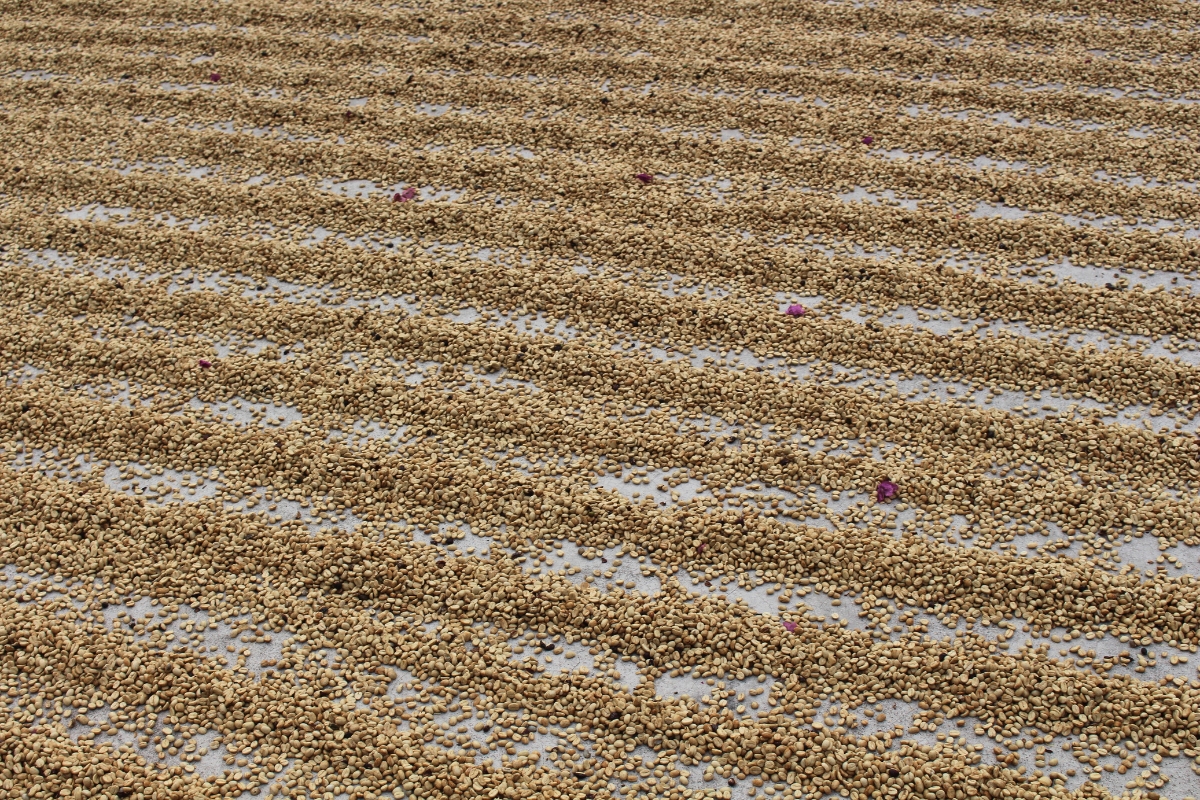
The Mbosho Estate is named for the village in which it’s located, just south of the famous Mount Kilimanjaro. James Powell, a coffee industry veteran who gained experience owning a farm in Zimbabwe, manages Mbosho. He leases Mbosho’s land from the local society and oversees the production and processing of 40 hectares of coffee trees. This lot is washed using large tubs instead of the traditional channels. The estate doesn’t have space for large-scale channels often seen at other farms. Once washed, coffee is dried on raised beds and monitored constantly until it reached the appropriate level of moisture.
Cupping notes (PB):
Notes of dark chocolate, peach, and meyer lemon
Tanzania Kuza Tudley Estate
The Tudley Estate is located in northeastern Tanzania near the base of Mount Kilimanjaro. Made up of mostly SL28 tree varietals, the Estate also produces Bourbon and Kent varietals, as well as a small crop of avocados and macadamia nuts. Coffee here is picked, depulped, and washed the next day. Drying is done on raised beds, with Estate staff carefully turning the coffee throughout the day. Drying takes between 10 and 15 days depending on the weather. Tudley is a large estate with over 180 permanent workers picking and processing more than 60 tons of coffee each year.
Cupping notes (PB):
Notes of lime, honey, and clementine
Tanzania KPL (Kilimanjaro Plantation)
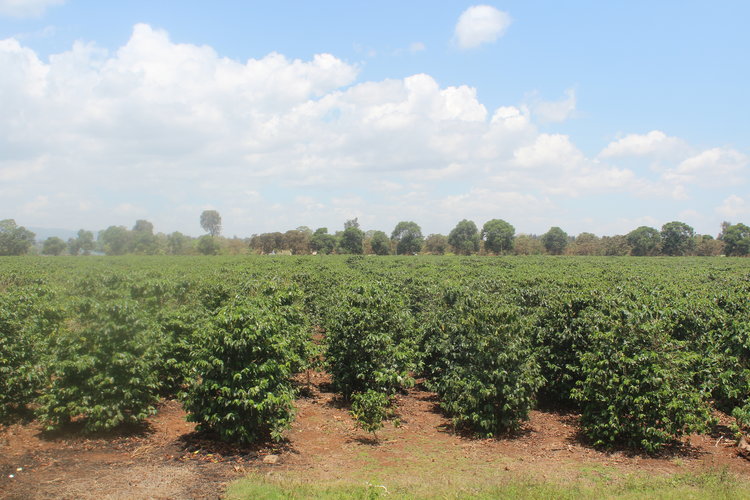
The Kilimanjaro Plantation (KPL) started in 200 in the shadow of Mount Kilimanjaro. Five years and almost a million new trees later, the plantation was up and operational. An interconnected drip-line irrigation system feeds each of the plantation’s trees, ensuring an equal and controllable water flow. This irrigation system boosts the natural ecological conditions caused by the proximity to Kilimanjaro and provides an excellent environment for growing coffee.
KPL’s centralized wet mill replaced eight decentralized processing plants and allows for consistent high-quality preparation while reducing wastewater generated by the operation. The plantation staff takes ecological concerns seriously and has set standards that meet UTZ guidelines, as well as a consistent and comprehensive review policy.
Cupping notes (AA):
Creamy, with notes of red apple, tangerine, sweet grapefruit