Royal New York is comprised of three brands: Coffee, Tea, and The Lab. The one trait that unites them? Quality. To continue that promise through the supply chain, we’re introducing a new series: Quality in Practice. From roast adjustments to calibrating your production team, Team RNY is here to help you ensure quality in every part of your business. For our first installment in this series, we’re detailing everything a new roaster needs to know about cupping coffee.
Getting Started with Coffee Cupping
If you’re new to roasting or running a café, coffee cupping can feel intimidating at first. But, it doesn’t need to be. At its core, cupping is simply a way to taste multiples coffees side by side so you can make better buying decisions with more confidence.
Cupping isn’t about finding the best coffee in the world. It’s about finding the right coffee for your needs, whether that’s a dependable house blend component, a seasonal single origin, or an offering that fits a certain price point. Whatever the case may be, cupping can help you answer these questions quickly and eliminate surprises down the line.
Why Cuppings Are Useful Tools
When you taste one coffee by itself, it’s hard to know what you’re really tasting. However, when you taste several coffees next to one another, the differences become clear almost immediately. Sweetness, acidity, body, and overall balance are easier to notice when you have something to compare them to.
Green Coffee Buying
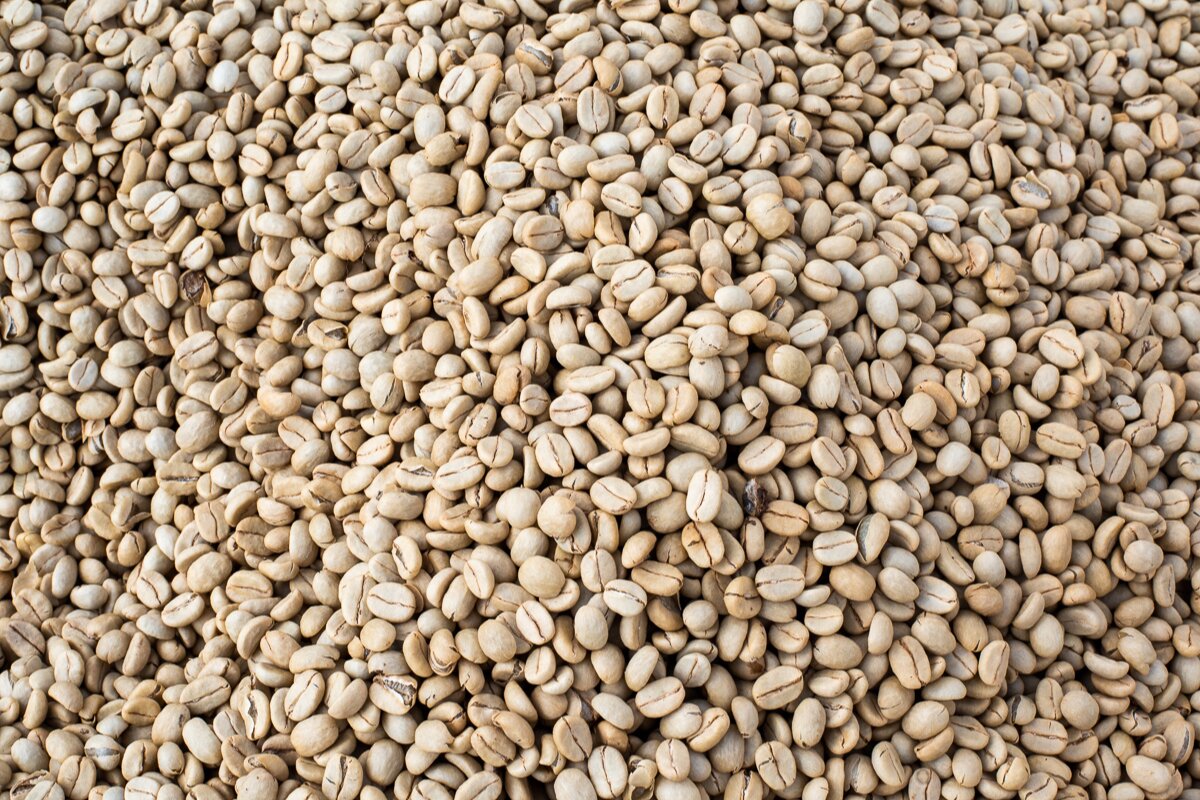
Coffee cupping is an incredibly useful tool when buying green coffee. It lets you compare options in real time and decide which coffee best fits your menu, roasting style, and customer preferences. You aren’t chasing a perfect coffee or someone else’s opinion—you’re simply asking which coffee works best for you.
Cupping can also help remove emotion from buying decisions. While a coffee might sound great on paper, tasting it next to other options gives you clarity. Over time, this builds confidence and can speed up the buying process.
Quality Control
Beyond buying, coffee cupping is one of the easiest ways to keep an eye on quality. You should, of course, taste a coffee when it first arrives, but you should also taste it again weeks or months later to help you understand how it holds up over time. This can help you catch issues before they show up in production or in the cup your customer is drinking.
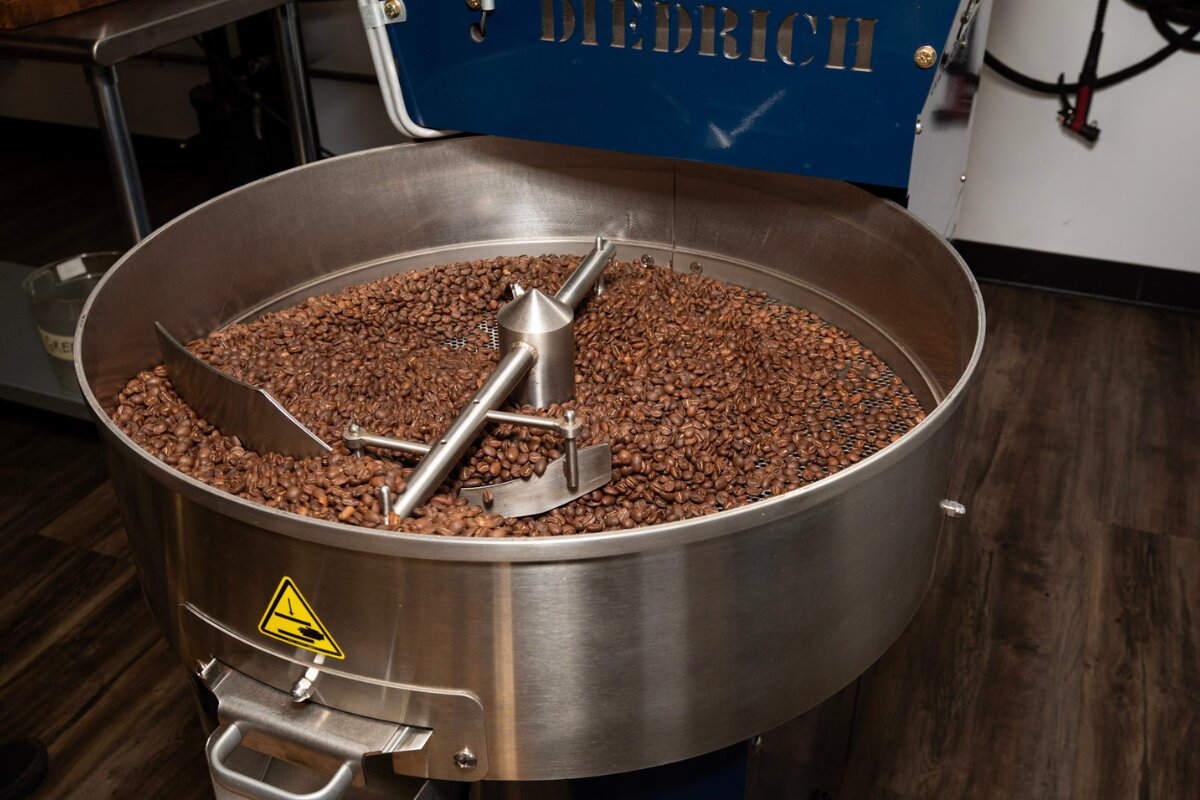
Many roasters also use cupping to check roast consistency. Tasting multiple roast batches side by side can reveal small differences that may otherwise by missed. You don’t need advanced tools to do this; you just need to taste regularly and pay attention.
How to Set Up a Simple Coffee Cupping
You don’t need much equipment or a formal lab to get started with cupping. A simple setup is more than enough, especially for beginners.
- Equipment: Use identical bowls or cups so each coffee is treated the same.
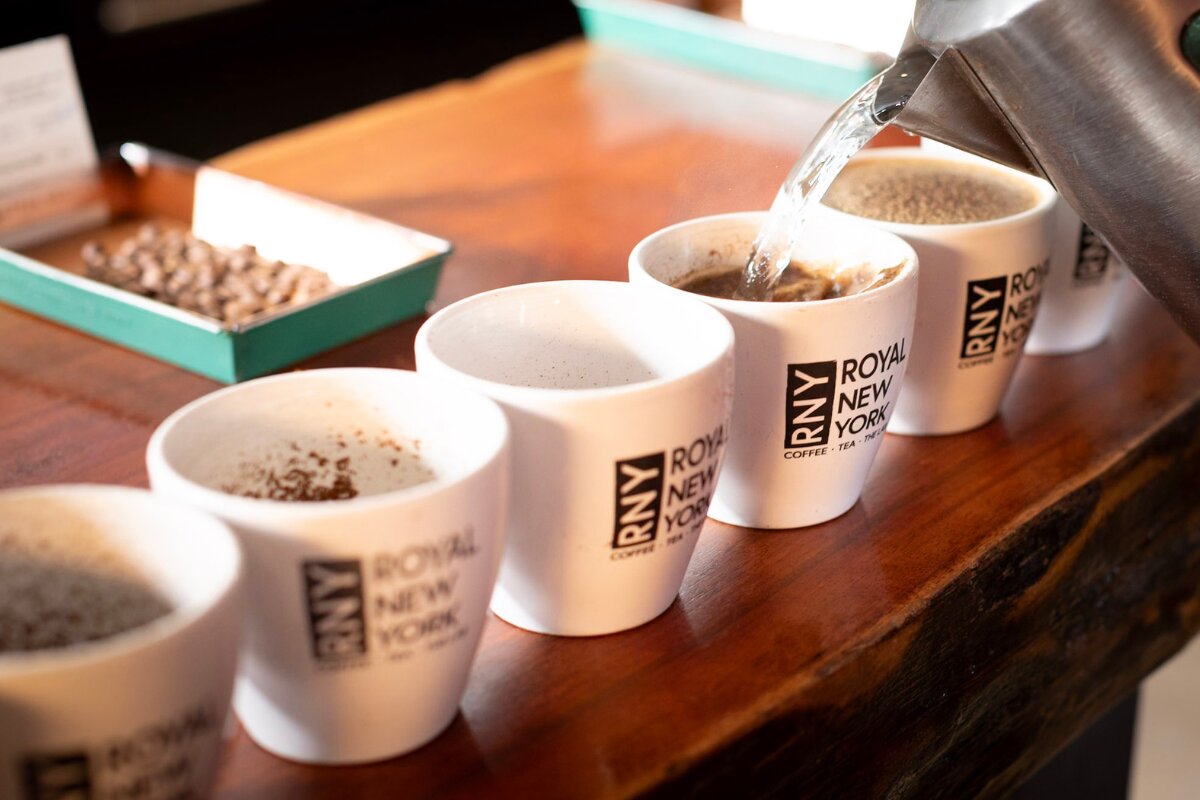
- Setup: Grind each coffee just before brewing and dose the same amount into each bowl. Add hot water and let the coffee steep.
- Break: After a few minutes, you’ll see a crust form on top of each bowl. Break that crust gently with a spoon and take a moment to smell the coffee.
- Taste: Once the coffee cools slightly, begin tasting. Use a spoon and taste each coffee the same way, every time.
The most important part of your setup is consistency. If every coffee is prepared the same way, then differences you taste will come from the coffees themselves.
For more technical instructions on how to cup coffee, check out our blog post from 2020.
What to Focus On While Tasting
When you’re just getting started, focus on big picture questions: Does the coffee taste clean? Does it feel balanced? Will this fit into my lineup? How does this coffee compare to other ones on the table?
You also don’t need to name every flavor you taste or try to sound fancy. Simple reactions are enough: lighter or heavier, brighter or softer, sweeter or drier. These observations are more useful when selecting coffee than detailed tasting notes are.
Cuppings Are Tools, Not Tests
One of the biggest mistakes new roasters make is treating coffee cupping like an exam. It isn’t—there are no wrong answers. Every coffee tastes a little different, and that’s okay. What matters is building a reference point for yourself and your business.
The more you cup, the easier it becomes. Patterns begin to emerge, preferences become clearer, and conversations with your trader become more productive because you have a better sense of what you’re looking for and how to communicate your needs.
Final Thoughts
Coffee cupping doesn’t need to be complicated to be effective. Start small, taste regularly, and focus on comparisons. Over time, these habits will sharpen your buying decisions and help you feel more confident in your coffee program.
Need help differentiating sensorial aspects of coffees? Consider signing up for SCA Sensory Skills Foundation at The Lab by RNY. This course provides insight into identifying specialty coffee qualities as well as how to implement these skills into your business.