Royal Tea New York will be exhibiting at World Tea Expo in Las Vegas from March 24th–25th! We'll be brewing up some of your favorites and giving away WTE-exclusive swag.
Make sure to stop by Booth #1851 and visit Team RTNY! For more information & to sign up, click here.
Looks like you're located outside the continental United States!
While we can't ship Royal NY Line Up boxes to you through our website, our team of coffee traders will be happy to help place your order and secure the best shipping rates for you.
Please note that if you have other items in your cart such as tea or tickets to an event at The lab, you will not be able to proceed to payment until all 22lb. boxes have been removed from your order
Looks like you're located outside the continental United States!
While we can't ship Royal NY Line Up boxes to you through our website, your coffee trader will be happy to help place your order and secure the best shipping rates for you.
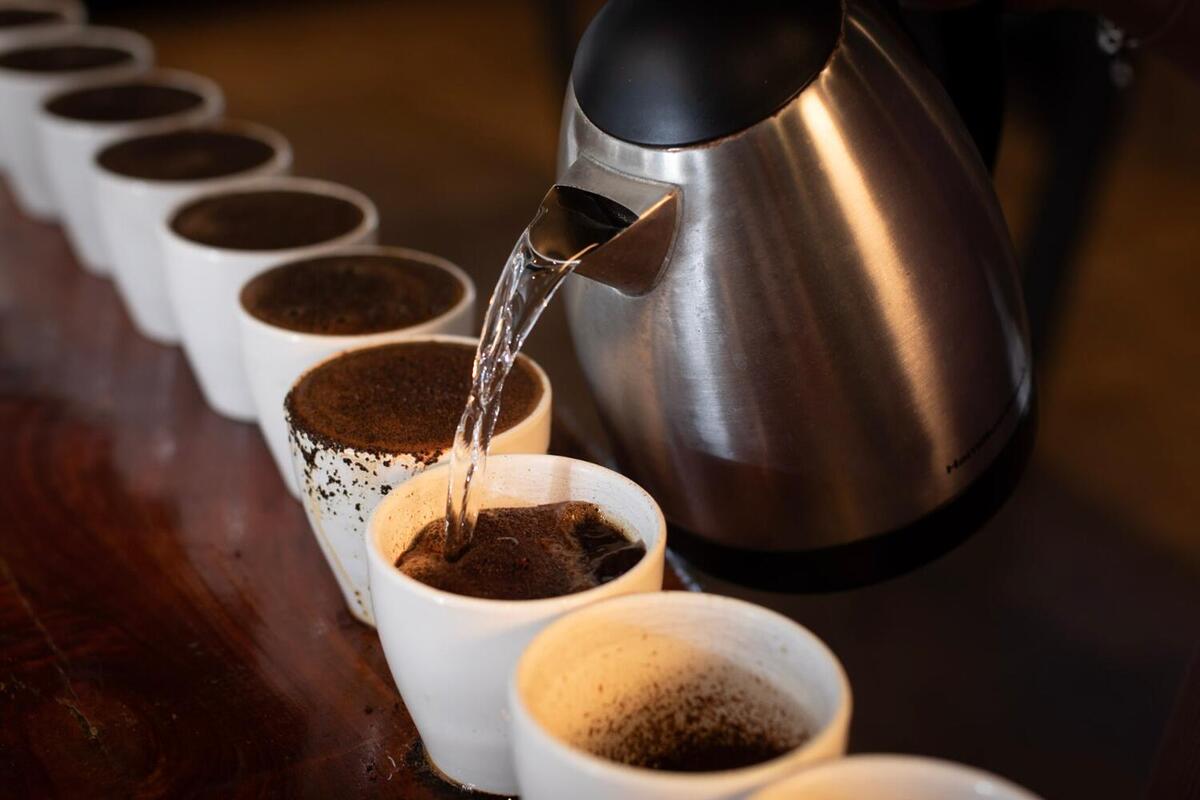
It’s everyone’s favorite time of year: cold brew season! In previous years, we’ve celebrated by publishing different brewing methods. This time, we’re breaking down how to choose the right coffee beans for cold brew to help you create your spring menu.
Producing Cold Brew Coffee
2025 was a challenging year for the coffee industry, to say the least. We saw record high “C” market levels, the rise and fall of coffee tariffs, and a litany of production delays and shortages. All of this put a heavy strain on coffee roasters and, more specifically, our wallets. As we transition from an uncharacteristically cold winter to a very welcome spring, we find ourselves in a significantly better position with a low “C” market and (once again) duty-free coffee.
This market relief could not come at a better time. Warmer months bring higher demand for cold coffee products, and few offerings are more popular or expensive to produce than cold brew coffee. While we’ve covered cold brew extensively, from brewing methods, to decaf cold brew, and even offering cold brew in the winter, we decided it was time to walk you through choosing your cold brew offerings.
How to Select Coffee Beans for Cold Brew
The number of acidic compounds that extract into cold coffee are far fewer than those that extract into hot coffee. This means that even with an inherently bright coffee, you’re not going to get the same pop of acidity you’d get from a conventional hot brewing method, and you may not always be able to achieve the flavor profile you want.
But, this doesn’t mean that acidic compounds don’t exist in cold brew; they’re just harder to detect because they’re fewer in number. Many roasters counter this by incorporating a hot bloom, grinding finer, or steeping at warmer temperatures. Unfortunately, these can sometimes add more acidity to your final product than the average cold brew customer wants. Although there are products on the market that can extract a fuller spectrum of compounds more quickly than traditional steeping methods, there are plenty of ways to make your cold brew stand out without needing to reinvent the wheel.
Growing Altitude
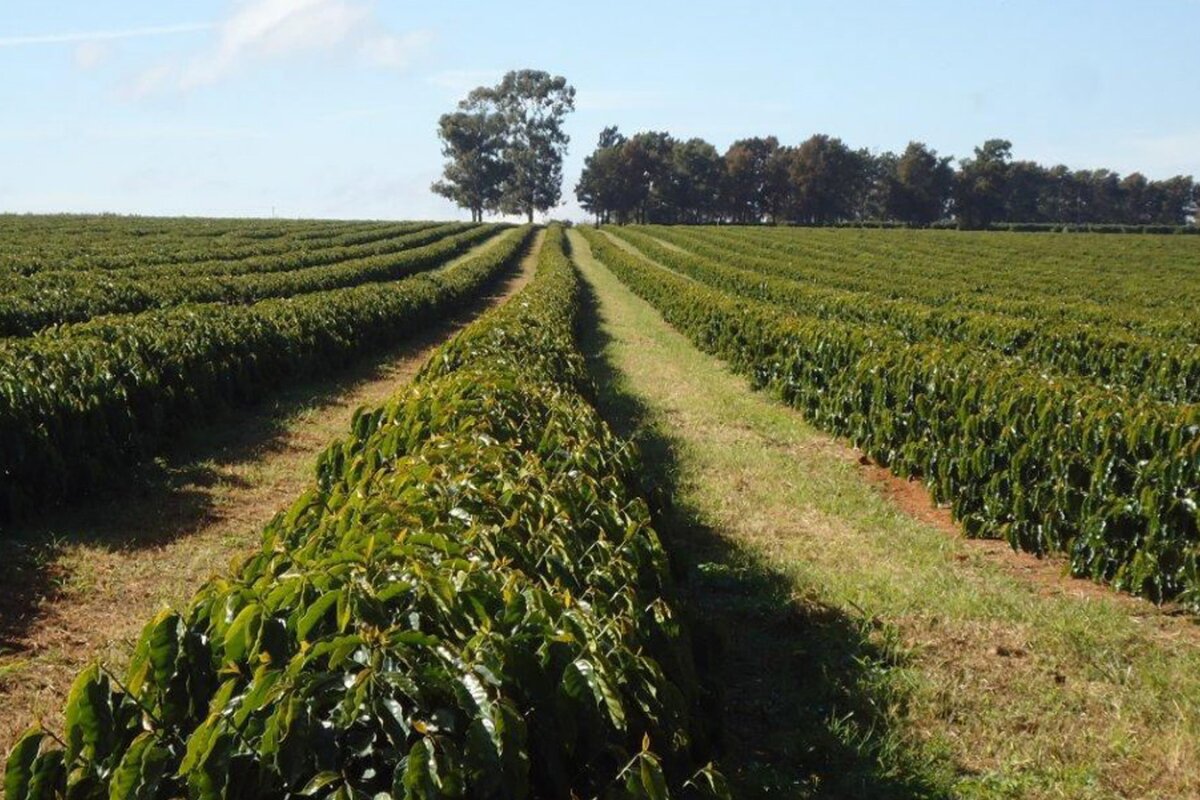
One excellent factor to consider is the altitude at which a coffee is grown. These coffees typically take longer to produce, which gives the trees they’re grown on more time to absorb nutrients from the soil. The result is a coffee bean that’s packed with all the carbohydrates and acids that make a coffee great. While it still may not give you acidity level on par with hot brews, the higher compound concentration will translate to a more flavorful cup.
However, it’s important to note that you may see diminishing returns on high altitude coffees in cold brew concentrates. In the brewing process, the water reaches a point where it becomes saturated with certain compounds and cannot hold any more. If you’re making a heavily concentrated batch, high altitude coffee beans may not be a beneficial choice for cold brew.
Processing
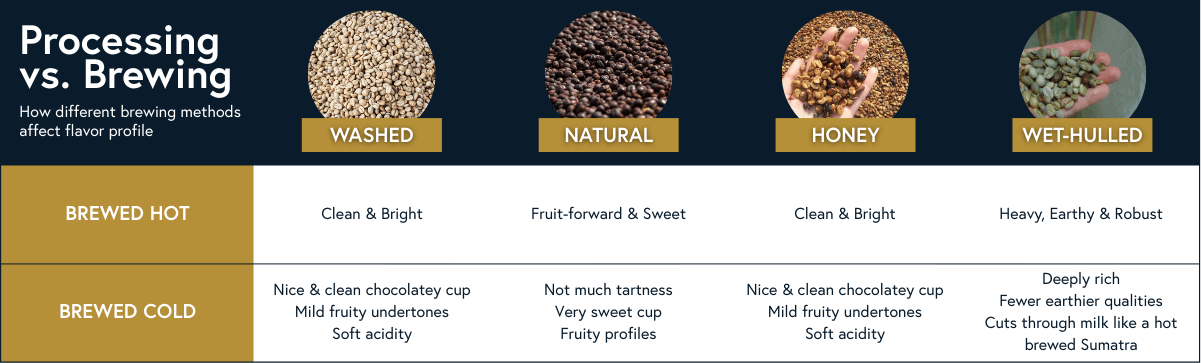
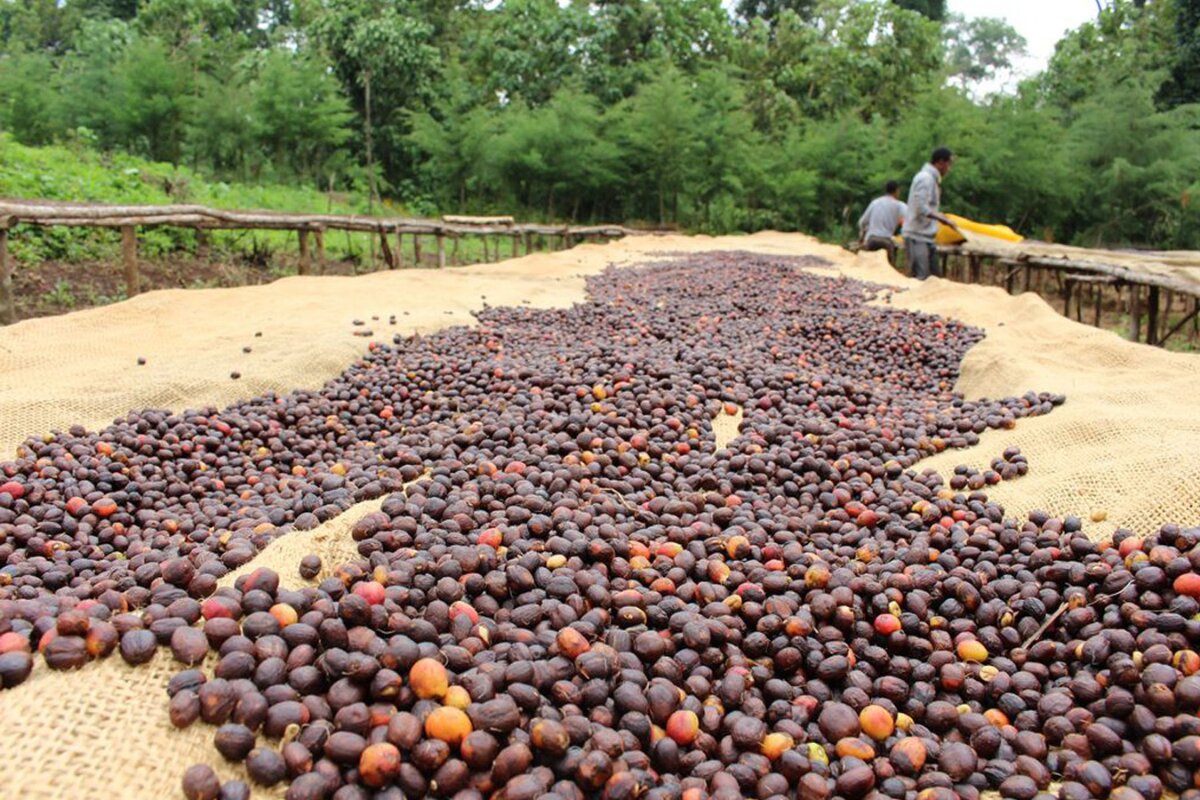
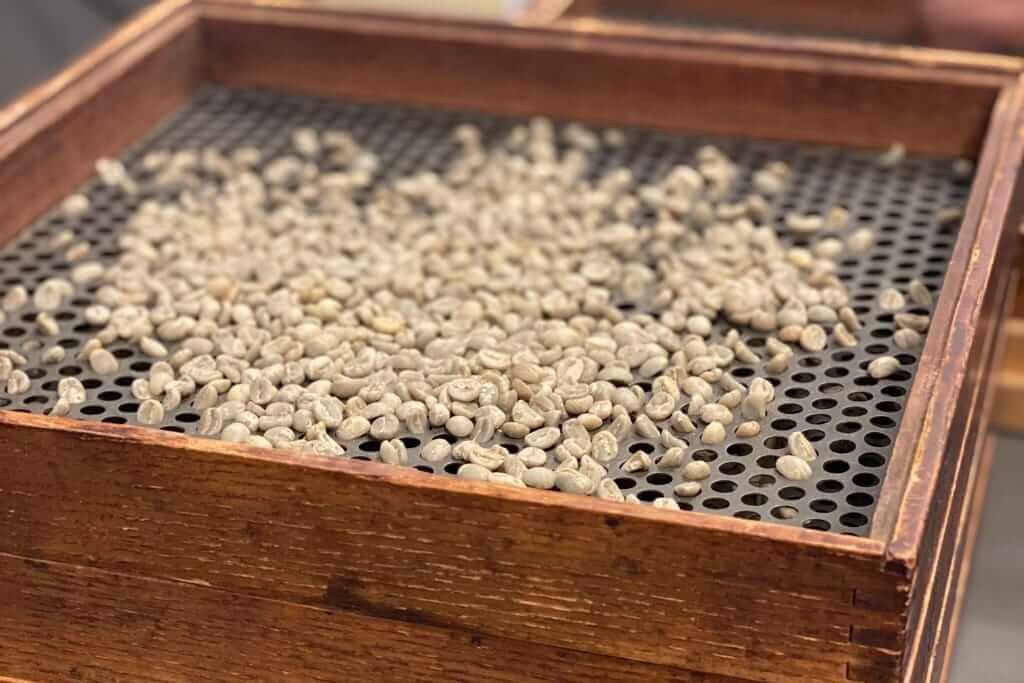
A variety of new processing methods have become popularized in recent years, but the vast majority of coffee is still processed in one of four ways: washed, natural, honey, or wet-hulled. Washed and honey processed coffees are generally clean and bright, naturals tend to be fruit-forward and sweet, and wet-hulled lots will be heavy, earthy, and robust.
All of these notes will translate a bit differently to cold brew. Since acids don’t dissolve as readily in cold water as in hot, you’ll get a nice and clean chocolatey cup with mild fruity undertones and soft acidity from a washed or honey processed coffee. You won’t get much tartness out of a natural, but you’ll still get the fruit sugars that come with it, leading to a very sweet cup with a fruity profile. While a wet-hulled lot will give you a deeply rich profile that cuts through milk like a hot brewed Sumatra, you will lose some of the earthier qualities when cold brewed. These are all important factors when considering flavor profiles, especially when building a blend.
Coffee Costs for Cold Brew
It takes about twice as much coffee to produce a cup of cold brew, so it’s crucial to consider costs when selecting a coffee. High altitude coffees and naturals may produce a more flavorful cup, but they’re also generally more expensive than lower altitude washed coffees due to high production costs. This is where blending becomes your best friend.
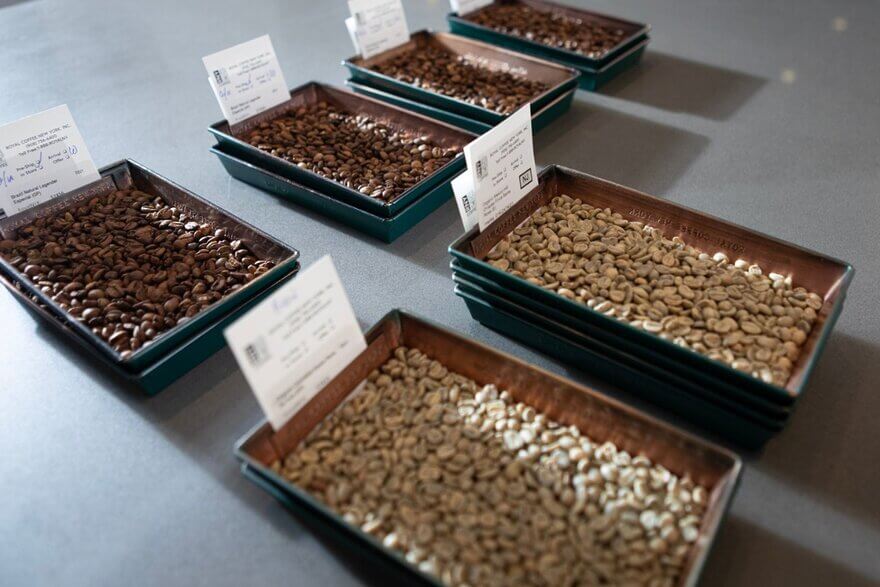
Let’s say you want a unique profile with lots of fruit, so you choose an Ethiopian natural. To bring down your overall cost, you might want to consider blending it with a less expensive coffee, like a Brazil. Because it’s a lower altitude origin, you end up with a soft coffee that has tons of leeway for the fruitier notes of the natural.
When cold brewing, it may seem like the chocolatey notes from both the Brazil and Ethiopian will be too extreme. Since Brazils aren’t outrageously complex coffees, the sweeter fruit notes of the Ethiopian will shine, and you’ll still have a fruit-forward cup profile.
RNY’s Coffee Recommendations for Cold Brew
Single Origins
You can achieve a standout cup of cold brew with these coffees, whether you use them on their own or in a blend. They possess the notes you’d want in a complex cup and also work with less expensive blenders so you won’t need to sacrifice quality for savings.
This washed lot from a community in Santa Maria, Huila is excellent for many reasons. It’s grown between 1500–1600masl, so it’s pretty dense. The acidity in these lots tends to be softer than other Colombians, so you end up with a more stone fruit-forward profile instead of citric. Plus, it’s relatively inexpensive for the quality you get. A coffee like this will produce a clean, sweet cup, with lots of interesting fruit notes that are detectable even when brewed in cold water.
To create a cold brew for the more adventurous customer, these lots are great. These grow between 1900–2200masl, which is about as high as it gets for coffee production, so they’re extremely flavorful coffees. Brewed cold, this coffee will offer clean fruit notes like strawberry, plum, and pomegranate, with a big body and sugary sweet finish.
These wet-hulled coffee beans are grown in the Kintamani Highlinds between 1100–1500masl. Though not the highest-grown coffee on earth, it makes up for a lack of density with a very bold profile. For cold brew, these coffee beans produce heavily-bodied chocolatey cups with an almost black licorice or molasses-like sweetness. They work great for specialty café drinks as the profile stands up to flavor syrups and cream. If your shop offers sweeter drinks, Bali is the move.
These are inexpensive, softer coffees than can be easily added to any of the above coffees to lower your overall cost without greatly impacting your overall cup profile.
Brazils are some of the most versatile blenders out there. They’re soft, inoffensive, and work well to build out the body of any blend you throw them into. Adding these will impart some extra chocolate into your cold brew blend while leaving a ton of headway for fruits and sugars to shine through.
Hondurans blend especially well with other washed coffees and naturals. They’re priced similarly to Brazils, but they have some extra sweetness and often citric notes since they’re grown a bit higher. While you likely won’t draw out much citrus when brewing cold, you will reinforce the sweeter elements of your blend and give it a less nutty cup than you’d get using a Brazil.
Grade 4 Ethiopians are a bit unique. They offer some subtle fruit-forwardness at a fairly inexpensive price point. A lot like this will blend nicely with a wet-hulled coffee, creating a chocolate-leaning mocha java blend with undercurrents of dried fruits.
Looks like you're not logged in! If you have an account, log in here
Don't have an account? Click here to register or close popup window and continue shopping.
You successfully reset your password, please login to your account.
This site uses cookies to allow for proper checkout and order processing; they are not used for any other tracking purposes. By continuing, you accept our use of cookies.