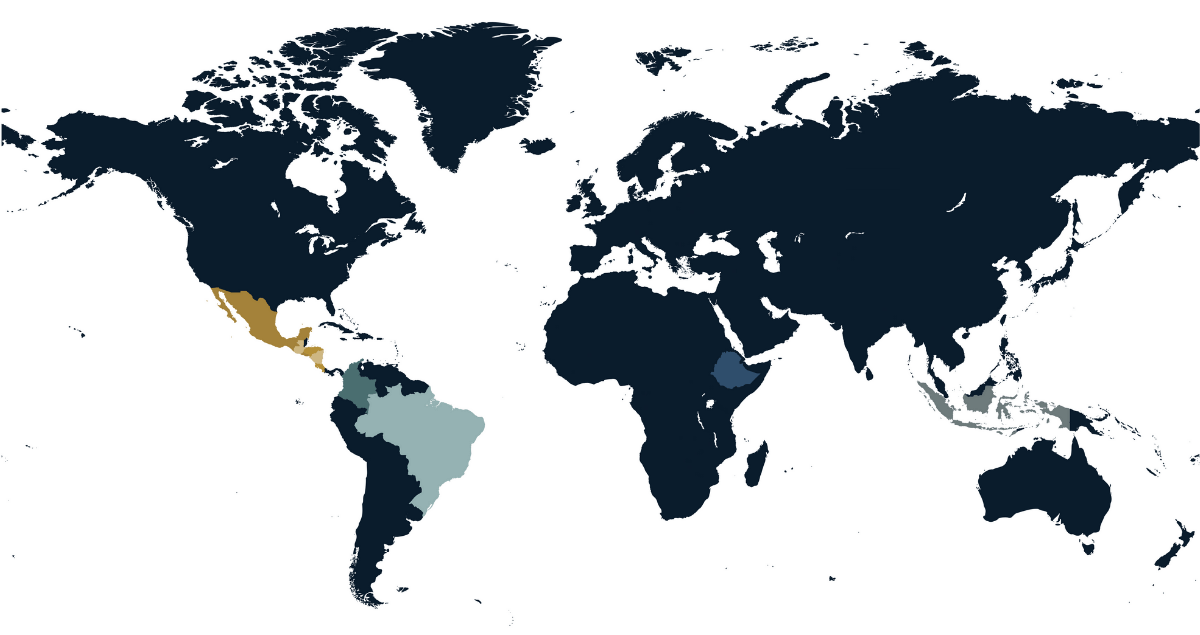
From weather disruptions and delayed harvests to tariffs and logistical slowdowns, green coffee origin conditions increasingly shaped pricing, availability, and risk exposure in 2025. What began as isolated challenges quickly turned into a global pattern of tighter supply windows and heightened volatility. As buyers of green coffee, roasters and importers need to understand what’s happening at origin to make informed sourcing decisions in the year ahead. Here’s what factors are influencing 2026 green coffee availability in key origins.
Editor’s Note 4/8/2026: This blog post has been updated since its original publish date of 1/6/2026. Updates are in blue and italicized below.
Contributing Factors to 2026 Coffee Origin Arrivals
For green coffee importers and roasters alike, 2025 turned many buying programs upside down. Record high prices in the “C” market, weather concerns in key origins, and the nuisance of tariffs turned what used to be a relatively straightforward booking process into a constant exercise in risk management. Instead of building relationships with producers, dialing in profiles, and planning seasonal menus, many of us spent last year glued to our screens. We looked at the “C” price, refreshed weather reports, and tried to read between the lines of policy announcements to see which origin would tighten next.
While the impact was unclear in the beginning, that quickly changed. There were shorter offer lists, more volatile “C” market exposure, tighter arrival windows, and the uneasy realization that your green program would become heavily shaped by variables far upstream from your roastery door.
Looking Ahead
We’re all hoping for a more stable year ahead, particularly with pricing, now that tariffs no longer affect the market. However, as buyers, it’s important to recognize that improvements don’t happen overnight. Challenges remain, including tight supply, weather-related impacts on yields, and ongoing volatility in the “C” market.
There are a few key areas around the globe that currently warrant our attention. By understanding what’s happening at origin, we can proactively prepare and position ourselves to make informed, strategic decisions.
Green Coffee Arrivals: The Americas
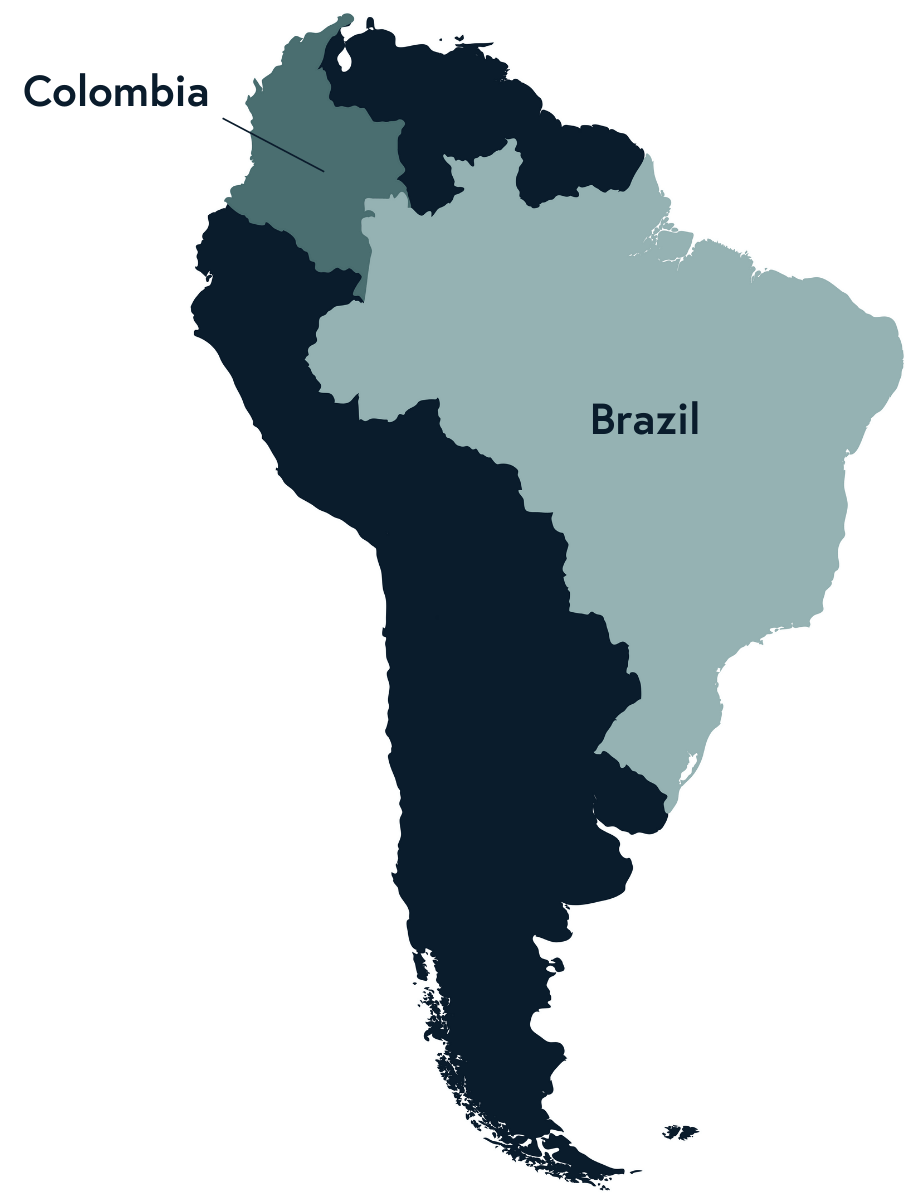
Brazil
April 2026 Update
Following the dismissal of tariffs on green coffee imports to the United States, there has been a surge in a demand for Brazil lots. Coupled with significant backlogs at Brazil’s main port (Santos), Brazil supply remains very tight in the near term.
Brazilian exporters are not just struggling to get empty containers and bookings on vessels—they’re struggling to buy coffee from the many farmers still holding onto 2025 crop hoping for higher prices while origin differentials are spiking due to limited nearby offers.
What does this mean for buyers?
With a record 2026 crop on the horizon, this short-term disruption won’t last long, but it will be a challenge until we get there. New crop differentials are at a significant discount to current crop, but we have to wait until September before new crop is harvested, shipped, and begins arriving in the U.S. Until then, supply will be intermittent and at higher differentials than we’re used to from Brazil.
In late July 2025, Brazilian coffee exports to the U.S. came to a sudden halt. Tariffs on Brazil imports were raised to 50%, right as early shipments from the new harvest would typically begin. For over three months, millions of bags never reached the U.S., tightening inventories and driving extreme market volatility. Many roasters were forced to delay contracts, source alternative coffees, or adjust blends, just to keep production moving.
Since tariffs were lifted in November 2025, buyers have rushed to re-secure Brazilian supply. Zero-tariff coffees are starting to arrive, but volumes will build gradually.
What does this mean for buyers?
While Brazilian coffee is returning to the market, the disruption has reshaped availability and pricing, making proactive planning and diversified sourcing more important than ever for roasters.
Colombia
April 2026 Update
Tight short-term availability is currently cause for concern. However, flows of cherry should be delivered to mills over the next few weeks as the mitaca harvest (fly crop) begins to unfold.
What does this mean for buyers?
There don’t appear to be any negative indications regarding Colombia’s mitaca crop yields. Once the coffee starts flowing again, availability should be strong and potentially soften differentials that have been tight recently due to limited supply between the main crop and mitaca harvests.
Colombian coffee production is expected to ease slightly from recent highs due to heavy rainfall that has disrupted flowering and slowed harvests in key regions. While overall volumes remain strong, uneven harvest timing is creating pockets of inconsistent availability. Farmgate and export prices have maintained elevated levels, supported by strong global demand and rising costs.
What does this mean for buyers?
Export volumes may be slightly lower, which could impact spot availability and lead times. Securing coverage early and maintaining flexibility will be essential to navigating the market this season.
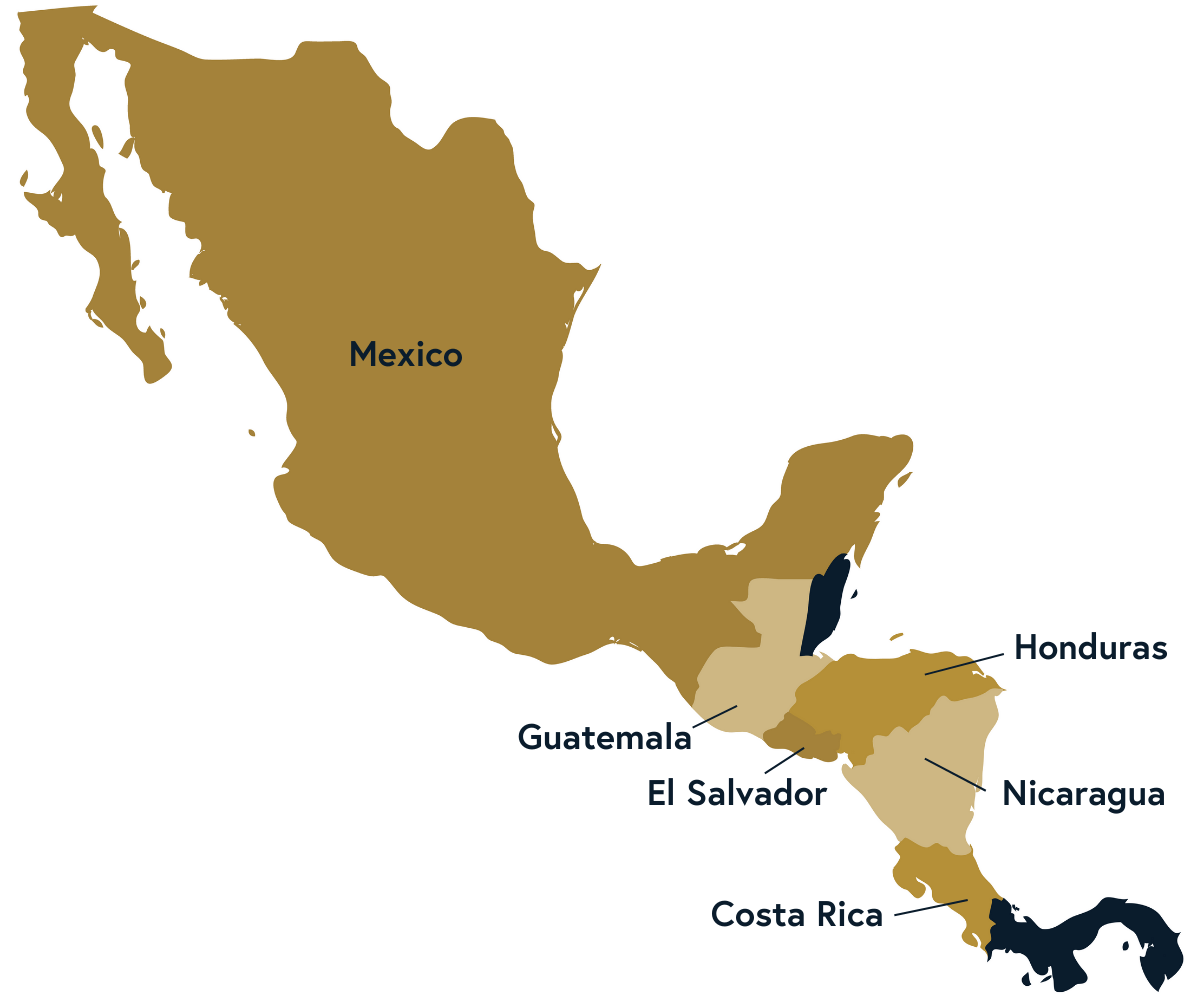
Central America & Mexico
April 2026 Update
Over the last few months, many countries saw strong forward selling as they wrapped up harvest. That being said, many are also not selling as much volume as they once did earlier in the crop to fulfill their current obligations and deliver against contracts that have been sold.
What does this mean for buyers?
Tightness in the nearby market has inflated nearby differentials, if you can even get an offer from reliable sources. If you have a preference on quality/coffee type, you’ll want to preserve your forward needs sooner rather than later to make sure availability is consistent now that harvest is wrapping up.
Across Central America and Mexico, coffee harvests are facing delays and uneven flows due to drought, heavy rains, and tropical storms, slowing flowering and cherry maturation. Labor shortages and rising wages in Honduras and Guatemala, along with lower production forecasts in Costa Rica, Nicaragua, and Mexico, are pushing costs higher and tightening local availability. Lastly, El Salvador’s 2025–26 coffee harvest is expected to recover modestly in volume after weather-related losses the prior year. Conditions remain challenging at the farm level as labor shortages, higher input costs, and aging coffee farms still persist.
What does this mean for buyers?
Early planning and securing coverage is critical as supply windows are shifting and prices remain firm. Flexible sourcing strategies and strong communication with importers will help ensure consistent delivery for blends and single-origin programs this season.
Green Coffee Arrivals: Africa
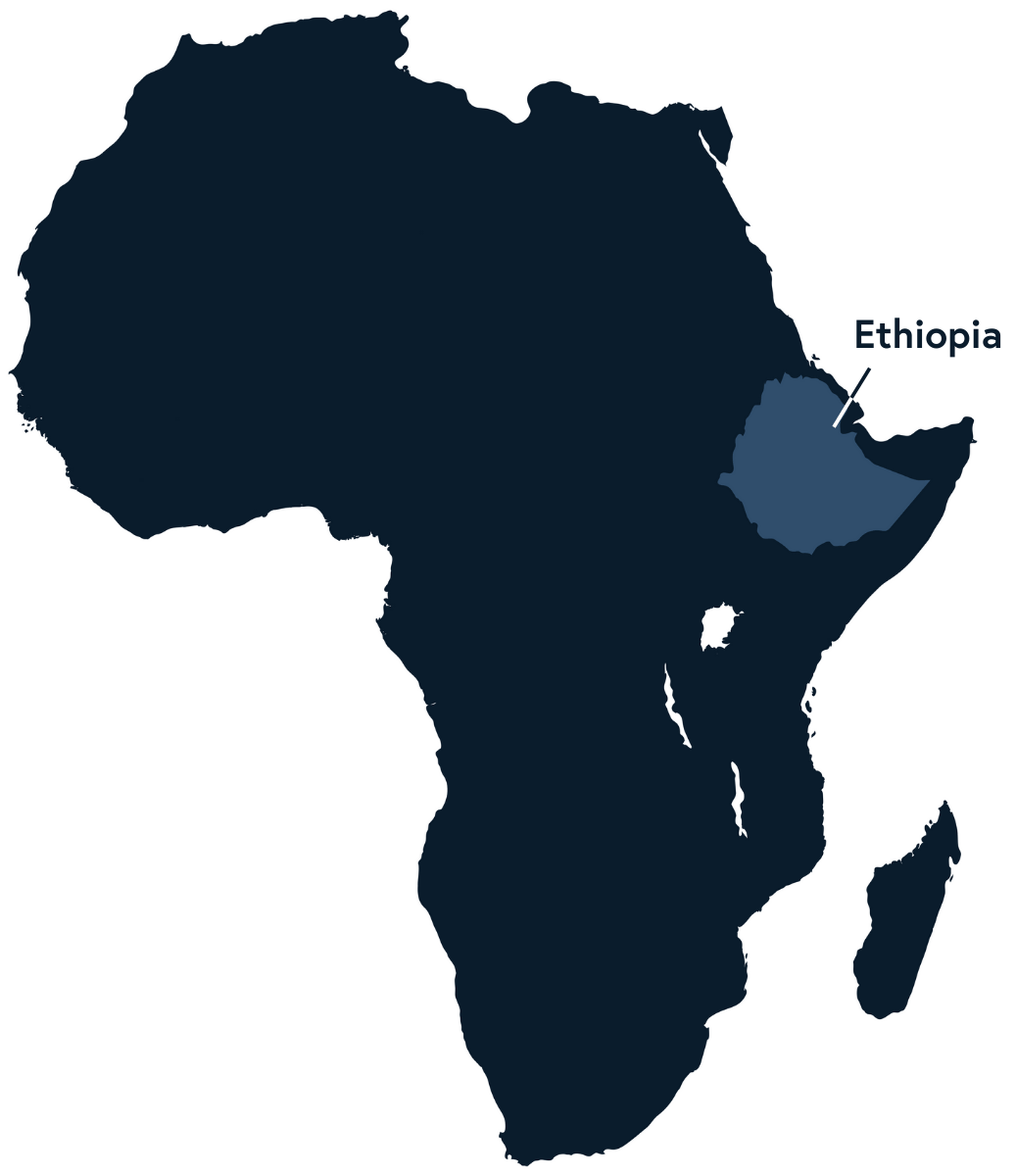
Ethiopia
April 2026 Update
With many farmers holding out for higher prices, Ethiopia’s harvest was delayed this past season. As a result, washed coffees have not been as available as last year. Farmers who would typically sell their crop to local exporters for washing chose to instead dry the coffee themselves to capture better prices.
What does this mean for buyers?
The good news is that coffee is finally moving. Washed lots booked earlier in the season are expected to arrive later this month, and higher-quality naturals will be coming through in May and June. To ensure you’re covered, connect with your trader to review your coffee requirements and discuss contracting options for the coffees you’ll need.
It’s also worth keeping an eye on the Strait of Hormuz. While there haven’t been any major disruptions so far, it’s a situation we need to monitor closely.
The upcoming Ethiopian coffee harvest is shaping up to be a complex season for buyers. While overall green coffee production volumes remain strong, a later-than-normal start to harvest and increased competition for cherry at origin are pushing costs higher and making timing more critical.
Across several coffee-growing regions, the 2025/26 harvest began later than usual due to irregular and delayed rainfall, which disrupted flowering and slowed cherry development. Rather than a uniform start, many areas are seeing uneven ripening and staggered harvest timelines.
What does this mean for buyers?
Green coffee is unlikely to arrive all at once from origin. Early season availability may be limited, with peak volumes spreading later into the harvest. High-elevation and specialty lots may take longer to prepare for export, which will require greater flexibility in planning. While these delays are not expected to significantly reduce total production, they do impact timing, cash flow, and logistics, making early communication and planning essential this season.
Green Coffee Arrivals: Indonesia
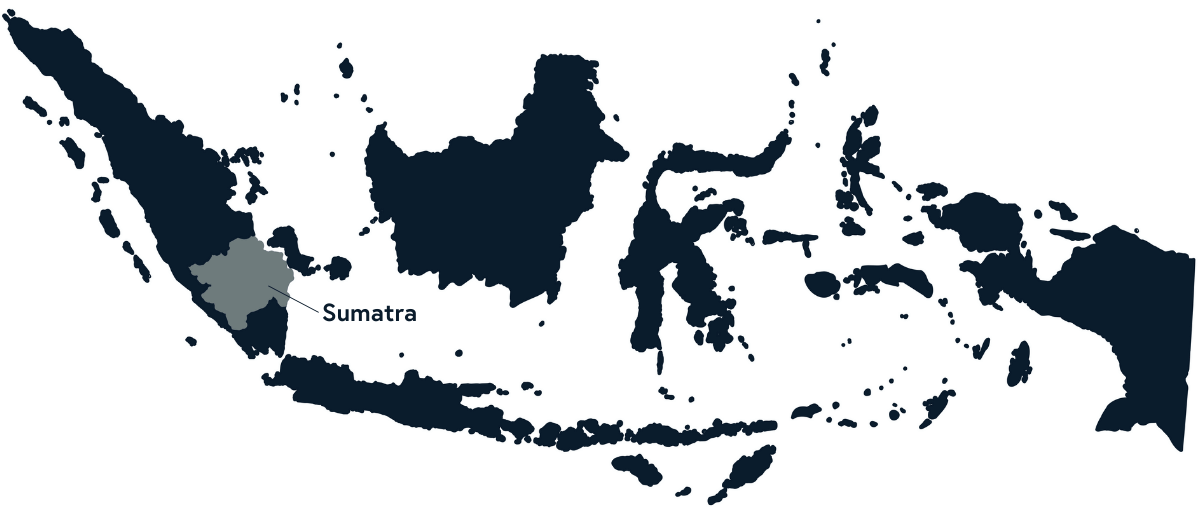
Sumatra
April 2026 Update
After Cyclone Senyar struck in late November 2025, nearby coffee availability has been reduced and export flows from Sumatra have been significantly disrupted. Exporters have been focused on fulfilling existing contracts, and limited offers through December and January created an unusually tight market—something we haven’t seen from Sumatra in many years. Plus, the hurricane even more adversely affected organic-certified coffees as it directly struck those growing regions.
We’re beginning to see conventional Sumatran coffees arrive, though much of this volume was pre-contracted, leaving minimal spot availability. Organic coffees are finally starting to ship from origin this month, with additional containers expected throughout May and June. With an approximate lead time of 50 days from ship date to the U.S. East Coast, nearby supply will remain constrained. We expect tight availability to persist for the rest of the year, driven by steady global demand.
What does this mean for buyers?
Keep a close eye on your Indonesian needs. Neighboring island coffees from Java, Sulawesi, and Flores aren’t expected to begin shipping until June or July. Continued strong demand suggests we’ll be navigating significant tightness across the region for the remainder of 2026.
Recently, Cyclone Senyar brought heavy rains, flooding, and landslides to Aceh and North Sumatra, damaging coffee farms and disrupting access to key coffee-growing areas. The effects of the cyclone are expected to delay exports and tighten supply, with industry sources projecting a noticeable drop in available arabica from the region this season. Farm-level damage and interrupted processing may also cause inconsistencies in quality, putting upward pressure on pricing.
What does this mean for buyers?
This means slower arrivals and higher costs for Sumatra coffees. Securing contracts early and maintaining close communication with your importers will be essential to protect blends and ensure consistent supply throughout these challenging conditions.
Final Thoughts
April 2026 Update
Since our last update, global coffee markets are unfortunately still experiencing ongoing volatility, not only in the futures market but also in logistics and nearby availability across many origins. Importers and roasters should remain proactive. Secure coffee early and often, lock in contracts ahead of time, and maintain cost visibility to better manage supply in the coming months.
Unpredictability has become the norm, so continued planning and open communication with your trader are key to minimizing potential disruptions throughout the supply chain.
Global coffee markets continue to face volatility amid continued disruptions. Everything from weather events to delayed exports fuel ongoing price volatility. For roasters, this underscores the importance of securing green coffee early and often. Building strong relationships with trusted suppliers and locking in contracts ahead of time can help protect both blends and budgets. In a market this unpredictable, proactive planning is key to maintaining consistent supply and avoiding last-minute challenges. Staying ahead now will pay off when the market stabilizes.