Looks like you're located outside the continental United States!
While we can't ship Royal NY Line Up boxes to you through our website, our team of coffee traders will be happy to help place your order and secure the best shipping rates for you.
Please note that if you have other items in your cart such as tea or tickets to an event at The lab, you will not be able to proceed to payment until all 22lb. boxes have been removed from your order
Looks like you're located outside the continental United States!
While we can't ship Royal NY Line Up boxes to you through our website, your coffee trader will be happy to help place your order and secure the best shipping rates for you.
Ever wonder why your roast doesn’t taste like you expected? For newer roasters especially, it’s easy to fall into the trap of relying too heavily on numbers or rushing through key stages, leading to avoidable issues in flavor and development. While mistakes are part of learning, many beginner errors can be corrected with just a few adjustments. Let’s walk through some practical coffee roasting tips to troubleshoot common mistakes and build more consistent, high-quality roast profiles.
Common Coffee Roasting Issues
Mistake #1: Roasting Coffee Too Hot, Too Fast
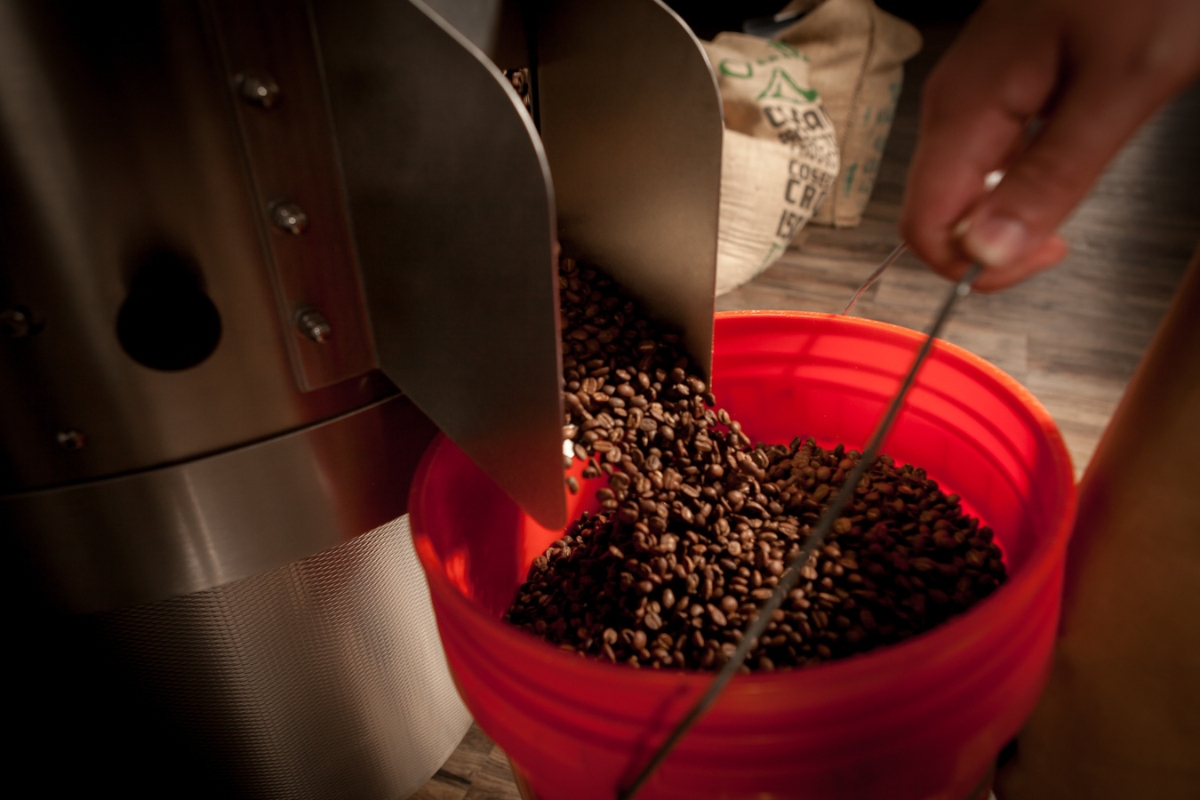
Cranking up the heat in your roaster can definitely wrap up your roast quickly. However, this often results in scorched, muted, or underdeveloped flavors. Think of roasting like cooking a steak: if your pan is too hot, then you’ll burn the outside while the inside stays raw. Balance is key.
Mistake #2: Ignoring Coffee Roasting Phases
There are three major phases of roasting: drying, Maillard, and development. Not paying attention to them can lead to inconsistency in your profile and poor balance in the cup.
When you’re just starting out, it may seem like trusting number targets and roast curves is the way to go. Want to know one of the most critical coffee roasting tips? Roasting is both an art and a science. Number targets guide you, but your senses confirm what’s happening in the roaster.
Mistake #4: Not Adjusting Airflow
Adjusting airflow affects heat transfer and development; it’s your tool for controlling roast clarity and cleanliness.
Mistake #5: Neglecting Roast Data
Roasting without tracking data may lead to an unintentional roast or flavor profile. As you roast and track data, whether it’s through handwritten notes or roast software, you’ll begin to build a library of roast and flavor profiles.
Mistake #6: Under/Overdeveloping Your Roast
Understanding how roast development affects the flavor profile will help shape how you approach coffees.
Mistake #7: Skipping the Cupping Table
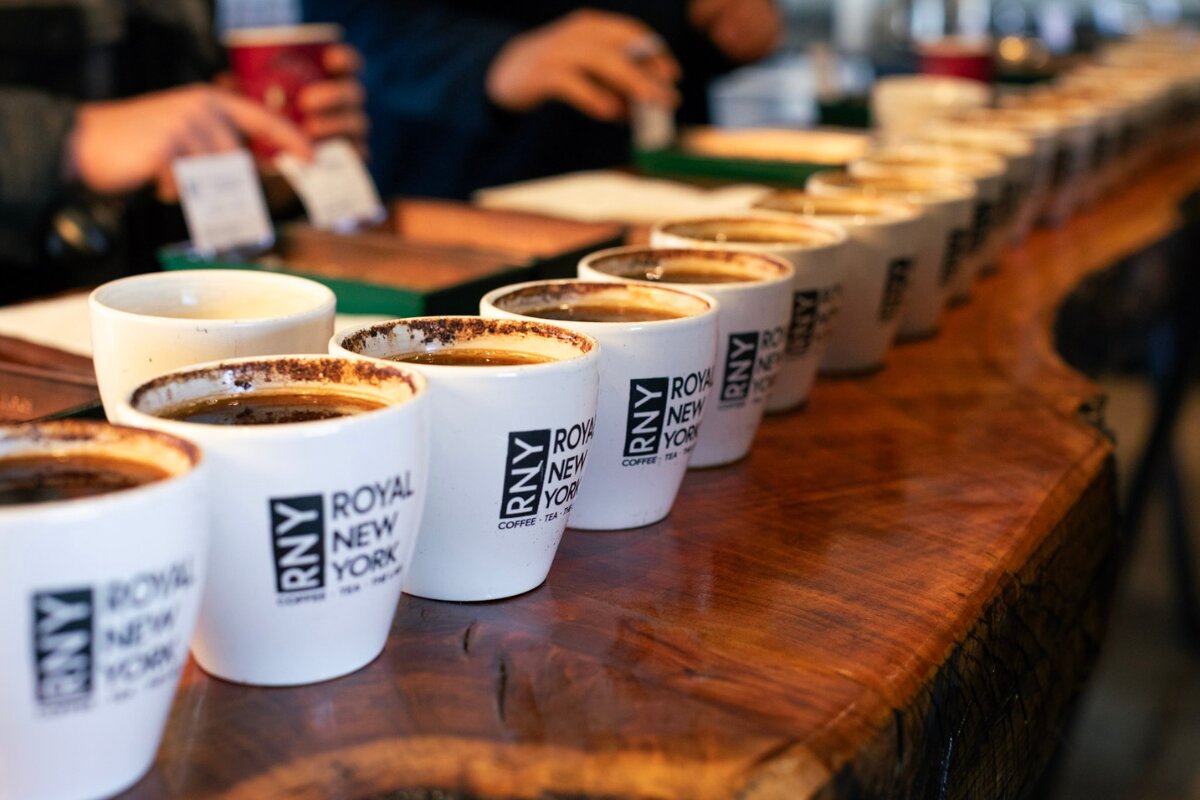
If you don’t cup your coffees, you’re missing out on the opportunity to improve your roast and flavor profile. Without cupping, it’s difficult to clearly understand how your roast is performing. Make sure you taste often and critically.
Mistakes are part of the learning process when you start roasting. Every batch, good or bad, gives you data and shapes how you roast future batches. By following these coffee roasting tips and entering each roast with the right mindset, you’ll not only avoid common pitfalls, but develop your own roasting style.
Looks like you're not logged in! If you have an account, log in here
Don't have an account? Click here to register or close popup window and continue shopping.
You successfully reset your password, please login to your account.
This site uses cookies to allow for proper checkout and order processing; they are not used for any other tracking purposes. By continuing, you accept our use of cookies.